Sunday, October 8, 2023

The Power of Preparing: The Importance of Warm-Up Exercises


The Power of Preparing: The Importance of Warm-Up Exercises


empty brown staircase


The Importance of Warm-Up Exercises

Why are warm-up exercises important before physical activity?

Warm-up exercises are crucial before engaging in any physical activity. They serve as a preparation for the body, both physically and mentally, before the more intense activity begins. Warm-ups help increase body temperature, open up blood vessels, and release more oxygen to the muscles. This prepares the body for the upcoming exercise, allowing for better performance and reducing the risk of injury.

For example, imagine someone is about to go for a run. Without a proper warm-up, their muscles and joints may not be adequately prepared for the impact of running. This increases the risk of muscle strains, sprains, or other injuries. However, by performing a warm-up routine that includes dynamic movements such as leg swings and light jogging, the muscles are gradually warmed up and become more flexible. This reduces the chances of injury and allows for a more efficient and enjoyable run.

In addition to physical preparation, warm-up exercises also play a vital role in mental readiness. They help individuals shift their focus from their daily activities to the upcoming physical activity, enhancing concentration and performance. By engaging in a warm-up routine, individuals can mentally prepare themselves for the challenges ahead, improving their overall performance.

What are the benefits of warm-up exercises?

Warm-up exercises offer numerous benefits for the body. Firstly, they increase muscle temperature, which improves muscle elasticity and flexibility. This, in turn, allows for a greater range of motion during the exercise and reduces the risk of muscle strains or sprains. Warm-ups also help to increase blood flow and oxygen delivery to the muscles, enhancing their performance and reducing the risk of muscle fatigue.

Furthermore, warm-ups prepare the cardiovascular system for the upcoming physical exertion.By gradually increasing heart rate and blood flow, warm-up exercises provide a gentle transition from rest to activity, minimizing stress on the heart. This allows the heart to adjust to the increased demands of the exercise, promoting cardiovascular health and reducing the risk of cardiovascular events during physical activity.

For instance, let's consider a weightlifting session. Without a proper warm-up, the muscles may not receive enough blood flow and oxygen, leading to decreased energy production and increased fatigue. However, by performing warm-up exercises such as light cardio or bodyweight movements, the blood vessels dilate, allowing for increased blood flow to the muscles. This enhanced blood flow delivers more oxygen and nutrients to the muscles, improving their performance and delaying the onset of fatigue.

Moreover, warm-up exercises help to activate the neuromuscular system, improving the communication between the brain and the muscles. This enhanced connection results in better coordination, balance, and control during the exercise. By engaging in a warm-up routine, individuals can optimize their neuromuscular function, allowing for more precise and efficient movements.

What types of warm-up exercises can help prevent injuries?

Certain warm-up exercises can be particularly effective in preventing injuries. Active stretching exercises, such as jumping jacks or lunges, are more beneficial than static stretching for warming up. These exercises involve movement and help to increase blood flow and warm up the muscles, making them more prepared for the upcoming activity. Incorporating dynamic movements that mimic the main exercise, such as leg swings before running, can also help prevent injuries by activating the muscles used during the activity.

In addition to active stretching, incorporating sport-specific movements into the warm-up routine can be highly beneficial in injury prevention. These movements help to activate the muscles and joints that will be utilized during the activity, preparing them for the specific demands of the exercise. For example, a soccer player may perform warm-up exercises that include dribbling drills, quick changes in direction, and shooting practice. These exercises not only warm up the muscles but also simulate the movements and actions that will be required during the game, reducing the risk of injury.

Moreover, focusing on strengthening exercises during the warm-up can help stabilize the joints and improve muscular balance, further reducing the risk of injuries. Exercises that target the core, such as planks or bridges, can enhance stability and support proper body mechanics during the exercise. By incorporating these exercises into the warm-up routine, individuals can provide a solid foundation for their movements, minimizing the risk of joint instability or muscular imbalances.

How can warm-up exercises improve flexibility?

Warm-up exercises play a crucial role in improving flexibility. By increasing muscle temperature, warm-ups make the muscles more pliable and elastic. This allows for a greater range of motion and flexibility during the exercise. Incorporating dynamic stretching exercises, such as arm circles or walking lunges, into the warm-up routine can further enhance flexibility by actively engaging the muscles and joints. This can be especially beneficial for activities that require a high degree of flexibility, such as gymnastics or yoga.

Stretching exercises during the warm-up help to improve the extensibility of the muscles and tendons. As the muscles warm up, their elasticity increases, allowing for a greater stretch and improved flexibility. Dynamic stretching, which involves controlled movements through a full range of motion, is particularly effective in preparing the muscles for flexibility-demanding activities. By incorporating dynamic stretching exercises that target the major muscle groups, individuals can improve their overall flexibility and reduce the risk of muscle strains or tears.

For instance, before a yoga class, it is important to warm up the muscles and joints to ensure a safe and effective practice. By performing dynamic stretching exercises such as cat-cow poses, sun salutations, and standing side bends, the muscles and joints are gradually warmed up and become more flexible. This allows for deeper and more controlled movements during the yoga session, enhancing the benefits of the practice and reducing the risk of injuries.

Additionally, warm-up exercises that focus on mobilizing the joints can further improve flexibility. By performing exercises that target the major joints, such as shoulder circles or ankle rotations, individuals can increase their joint range of motion and improve their overall flexibility. These exercises can be particularly beneficial for activities that involve repetitive or extreme joint movements, such as dancing or martial arts.

Are there specific warm-up routines for different types of workouts?

Yes, warm-up routines can be tailored to the specific type of workout or activity. For example, a warm-up for a cardio-focused workout may include light jogging or jumping jacks to gradually increase heart rate and warm up the muscles. On the other hand, a warm-up for a strength training session may involve performing a few sets of lighter weights to activate and prepare the muscles for the heavier lifts. It is important to choose warm-up exercises that target the muscles and joints used in the upcoming activity to ensure the body is adequately prepared.

Let's consider a dance class as an example. Before starting a dance routine, a warm-up routine that includes dynamic movements such as hip circles, arm swings, and footwork drills can help activate the muscles and joints involved in dancing. This not only prepares the body for the physical demands of the dance routine but also helps to improve coordination and performance.

In addition to specific warm-up exercises, the duration and intensity of the warm-up can also be adjusted based on the workout or activity. For activities that involve higher intensity or impact, such as sprinting or plyometric exercises, a more extensive warm-up may be necessary to adequately prepare the body. Conversely, for activities that involve lower intensity or impact, such as gentle yoga or walking, a shorter warm-up may be sufficient. It is important to listen to the body and adjust the warm-up routine accordingly to ensure optimal performance and reduce the risk of injuries.

How long should a warm-up period typically last?

The duration of a warm-up period can vary depending on the intensity and type of activity. For most people, a warm-up period of about 10 minutes is sufficient. This allows enough time to gradually increase heart rate, warm up the muscles, and mentally prepare for the upcoming exercise. However, professional athletes often spend more time warming up, as they may need to rehearse specific movements or engage in more intense exercises to prepare for their sport.

The duration of the warm-up period also depends on individual factors such as fitness level and prior warm-up experience. Individuals who are new to exercise or have been sedentary for a prolonged period may require a longer warm-up period to adequately prepare their bodies for the upcoming activity. On the other hand, individuals who are more experienced or regularly engage in physical activity may find that a shorter warm-up period is sufficient.

To illustrate, let's consider a basketball game. Before a professional basketball player takes the court, they may spend 20-30 minutes warming up. This extended warm-up period allows them to practice specific basketball movements, such as shooting, dribbling, and defensive drills, to enhance their performance and coordination. It also gives them time to mentally prepare for the game, increasing their focus and concentration.

In conclusion, the duration of the warm-up period should be tailored to the individual's needs, the specific activity, and the individual's fitness level. While a 10-minute warm-up is generally sufficient for most people, it may need to be adjusted based on individual factors and the demands of the activity.

Can warm-up exercises improve performance during physical activity?

Yes, warm-up exercises can significantly improve performance during physical activity. By increasing muscle temperature, warm-ups optimize muscle function and enhance neuromuscular coordination. This leads to improved muscle efficiency, power, and overall performance. Additionally, warm-ups increase blood flow and oxygen delivery to the muscles, which boosts energy production and delays the onset of muscle fatigue. This allows individuals to perform at a higher level for a longer duration.

The benefits of warm-up exercises on performance are particularly evident in activities that require explosive power, speed, and agility. For example, in sprinting or jumping events, a proper warm-up routine that includes dynamic movements and activation exercises can improve the athlete's ability to generate maximum power and speed. By preparing the muscles and nervous system for the demands of the activity, warm-up exercises optimize the body's performance potential.

For instance, before a sprinting race, a warm-up routine that includes dynamic movements such as high knees, butt kicks, and strides can help activate the leg muscles and improve their power output. This allows the sprinter to generate more force with each stride, leading to faster running times. The increased blood flow and oxygen delivery also delay the onset of muscle fatigue, enabling the sprinter to maintain their speed for a longer period.

Furthermore, warm-up exercises contribute to improved mental focus and concentration, which can positively impact performance. By engaging in a warm-up routine, individuals can shift their attention from external distractions to the upcoming physical activity. This mental preparation helps to enhance focus, reaction time, and decision-making abilities during the exercise. As a result, individuals can perform with greater precision and efficiency, leading to improved overall performance.

Is static stretching recommended as a warm-up exercise?

No, static stretching is no longer recommended as a warm-up exercise. Static stretching involves holding a stretch for an extended period, which can cause the muscles to relax and potentially decrease their power output. Instead, static stretching is more beneficial when performed after a workout as part of the cool-down routine. It helps to relax and elongate the muscles, promoting flexibility and reducing muscle soreness.

Static stretching after exercise helps to restore the muscles to their resting length and prevent tightness or stiffness. By holding a stretch without movement, individuals can effectively target specific muscles and increase their overall flexibility. This post-workout stretching helps to alleviate muscle tension and promote relaxation, aiding in the recovery process.

For example, after completing a high-intensity interval training (HIIT) session, the muscles may be tight and fatigued. In this scenario, performing static stretches such as hamstring stretches or chest stretches during the cool-down can help relieve muscle tension and promote flexibility. It allows the muscles to gradually return to their normal length, reducing the risk of post-exercise muscle soreness and stiffness.

What is dynamic stretching and why is it recommended for warm-ups?

Dynamic stretching involves active movements that take the muscles and joints through a full range of motion. Unlike static stretching, dynamic stretching helps to increase muscle temperature, activate the muscles, and prepare them for the upcoming activity. It mimics the movements that will be performed during the exercise, making it an effective warm-up technique. Dynamic stretching should be performed in a controlled manner, and each movement should be repeated 10-12 times to adequately warm up the muscles and joints.

Dynamic stretching is recommended for warm-ups because it offers several advantages over static stretching. Firstly, dynamic stretching helps to improve muscle elasticity and flexibility by increasing blood flow and muscle temperature. This enhances joint mobility and range of motion, allowing for more fluid and efficient movements during the exercise. Secondly, dynamic stretching activates the muscles used in the upcoming activity, preparing them for the specific demands of the exercise. By mimicking the movements that will be performed, dynamic stretching helps to improve neuromuscular coordination and enhance muscle activation.

For instance, before a tennis match, dynamic stretching exercises such as arm circles, trunk rotations, and side lunges can help activate the upper body, core, and lower body muscles used in tennis. By performing these dynamic movements, the muscles are gradually warmed up and become more prepared for the quick and explosive movements required in the sport. This type of warm-up also helps to improve coordination and reaction time.

Furthermore, dynamic stretching helps to stimulate the nervous system and increase the body's overall readiness for exercise. By engaging in dynamic movements that involve coordination and balance, individuals can enhance their proprioception and kinesthetic awareness. This heightened sensory input improves muscle recruitment and coordination, leading to more efficient movements and reduced risk of injury.

Are there any risks or drawbacks associated with warm-up exercises?

When done correctly, warm-up exercises are generally safe and beneficial. However, there are a few considerations to keep in mind. Warm-ups should be appropriate for the individual's fitness level and the specific activity they will be performing. Overly vigorous warm-ups or those that do not match the activity may not yield optimal results. Additionally, if too much time passes between the warm-up and the actual exercise, the benefits of the warm-up may diminish. It is important to ensure that the warm-up routine is tailored to the individual's needs and the demands of the activity to maximize its effectiveness.

For example, if someone performs a warm-up routine that is too intense or includes movements that they are not familiar with, they may risk overexertion or injury. It is important to gradually increase the intensity of the warm-up and choose exercises that are appropriate for the individual's fitness level. Additionally, if there is a long period of time between the warm-up and the exercise, such as when waiting for a class or game to start, the muscles may cool down and lose some of the benefits of the warm-up. In such cases, it may be necessary to perform additional warm-up exercises or movements to maintain the warmed-up state of the body.

Furthermore, individuals with certain medical conditions or injuries should exercise caution when performing warm-up exercises. It is important to consult with a healthcare professional or qualified exercise specialist to determine the most appropriate warm-up routine based on individual circumstances. They can provide guidance on beneficial warm-up exercises and proper training techniques to ensure safety and optimize performance.

In conclusion, warm-up exercises are crucial for preparing the body and mind for physical activity. They offer a range of benefits including improved performance, injury prevention, and increased flexibility. By incorporating dynamic stretching and targeted exercises, individuals can optimize their warm-up routine to suit their specific activity. Remember, a proper warm-up period of about 10 minutes is typically sufficient to reap the benefits and ensure a safe and successful workout. However, it is important to tailor the warm-up routine to individual needs and the demands of the activity to maximize its effectiveness.

Powered by AI-RTICLES.

Choosing the Right Shoes for Low-Impact Exercises: Protecting Joints and Preventing Injuries


Choosing the Right Shoes for Low-Impact Exercises: Protecting Joints and Preventing Injuries


women's seven assorted-color footwear on surface

Choosing the Right Shoes for Low-Impact Exercises

When engaging in low-impact exercises, such as walking, yoga, or weightlifting, it is essential to choose the right shoes to ensure comfort, support, and injury prevention. The type of shoes you wear can have a significant impact on your overall exercise experience and the well-being of your feet and joints. In this article, we will explore the importance of selecting the appropriate shoes for low-impact exercises and provide guidance on how to make the best choice.

What are low-impact exercises?

Low-impact exercises are activities that put minimal stress on the joints, making them suitable for individuals with joint issues, older adults, or those recovering from injuries. These exercises are gentle on the body while still providing numerous health benefits, including improved cardiovascular fitness, flexibility, and muscle tone. Examples of low-impact exercises include walking, swimming, cycling, yoga, and strength training with light weights.

Low-impact exercises are a great way to stay active and improve overall fitness without putting excessive strain on the body. These exercises are particularly beneficial for individuals with joint issues, such as arthritis or knee problems, as they can help improve mobility and build strength without exacerbating pain or discomfort.

For example, walking is a low-impact exercise that can be easily incorporated into daily routines and has been shown to have numerous health benefits, including reducing the risk of chronic conditions such as heart disease and diabetes. It is recommended to choose the right walking shoes to help prevent common foot and ankle injuries. 

Yoga, on the other hand, focuses on gentle movements, stretching, and breathing exercises, which can improve flexibility, balance, and relaxation.

Why is it important to choose the right shoes for low-impact exercises?

Selecting the right shoes for low-impact exercises is crucial for several reasons. Firstly, appropriate footwear can help protect your feet, ankles, and joints from injuries that may result from repetitive movements or inadequate support. When engaging in activities such as walking or yoga, your feet and joints are subjected to repetitive motions, and wearing shoes that provide cushioning and support can help absorb shock and reduce the risk of strain or injury. 

Secondly, wearing the right shoes can enhance your overall exercise performance and comfort, allowing you to focus on the activity without discomfort or distractions. Ill-fitting or uncomfortable shoes can cause blisters, calluses, or foot pain, which can make it difficult to fully enjoy your workout. Lastly, proper shoe selection can contribute to the longevity of your shoes, ensuring that they remain supportive and functional for a more extended period.

For example, when walking, the repetitive impact can put stress on the joints, particularly the knees and ankles. Wearing walking shoes that are specifically designed to provide cushioning and support can help absorb shock and reduce the impact on these joints. Additionally, these shoes often have features such as a supportive midsole and a flexible outsole that promote a natural gait and help prevent overpronation or supination. In yoga, where balance and stability are essential, wearing shoes with a non-slip sole can provide better traction and prevent slips or falls during poses.

When it comes to low-impact exercises, proper shoe selection is important not only for injury prevention but also for optimizing your performance and overall exercise experience. The right shoes can provide the necessary support, cushioning, and stability, allowing you to move with ease and confidence. Additionally, wearing shoes that fit well and feel comfortable can help you stay motivated and enjoy your workouts to the fullest. By choosing the right shoes, you can minimize the risk of foot and joint pain, enhance your exercise performance, and make your low-impact exercises more enjoyable.

How can the right shoes help protect joints during low-impact exercises?

The right shoes can provide the necessary cushioning and support to reduce the impact on your joints during low-impact exercises. For example, walking shoes are designed with lightweight materials and ample cushioning to absorb shock and provide stability while walking. These features help minimize the pressure on your knees, ankles, and hips, reducing the risk of joint pain or injury. Similarly, yoga shoes are typically lightweight and flexible, allowing for natural foot movement and providing traction for better balance during poses.

In addition to cushioning and support, the right shoes can also help promote proper alignment and stability, which is essential for protecting the joints. For example, shoes with a supportive midsole and arch support can help distribute the weight evenly across the foot and prevent excessive pronation or supination, which can put strain on the joints. Similarly, shoes with a firm heel counter can provide stability and prevent the foot from rolling inward or outward during movement. By providing the necessary support and alignment, the right shoes can help protect the joints from unnecessary stress and reduce the risk of injuries such as sprains or strains.

When participating in low-impact exercises, it is important to choose shoes that are specifically designed for the activity you will be engaging in. For example, if you are walking, opt for walking shoes that provide ample cushioning and support for the heel-to-toe motion. These shoes are designed to absorb shock and promote a smooth gait, reducing the impact on your joints. On the other hand, if you are practicing yoga, consider shoes that offer flexibility and grip. These shoes should allow for natural foot movement and provide traction to prevent slips or falls during poses. By selecting shoes that are appropriate for your chosen exercise, you can better protect your joints and optimize your performance.

What are some common foot and ankle injuries that can be prevented with proper shoe selection?

Proper shoe selection can help prevent various foot and ankle injuries that may occur during low-impact exercises. Wearing shoes with inadequate support or cushioning can lead to conditions such as plantar fasciitis, which causes heel pain and inflammation. Similarly, wearing shoes that do not provide proper arch support can contribute to the development of conditions like flat feet or fallen arches. Additionally, shoes that do not fit correctly or have insufficient stability may increase the risk of ankle sprains or strains.

For example, plantar fasciitis is a common foot condition that causes pain and inflammation in the heel and arch of the foot. It is often caused by repetitive strain on the plantar fascia, a thick band of tissue that connects the heel to the toes. Wearing shoes with inadequate cushioning and support can exacerbate this condition, as the foot is not properly supported during movement. 

Similarly, shoes that do not provide proper arch support can lead to flat feet or fallen arches, which can cause pain and discomfort in the foot and ankle. By choosing shoes that offer adequate cushioning, arch support, and stability, these injuries can be prevented, allowing for a more comfortable and enjoyable exercise experience.

When selecting shoes for low-impact exercises, it is important to consider the specific needs of your feet and the activity you will be participating in. For individuals with high arches, shoes with additional arch support can help distribute the weight evenly and prevent excessive strain on the foot. On the other hand, individuals with flat feet may require shoes with a supportive midsole and arch support to provide the necessary stability. It is also important to choose shoes that fit properly and provide sufficient stability to prevent ankle sprains or strains. 

By considering these factors and selecting shoes that meet your specific needs, you can significantly reduce the risk of foot and ankle injuries during low-impact exercises.

What factors should I consider when choosing shoes for low-impact exercises?

Several factors should be considered when choosing shoes for low-impact exercises. Firstly, comfort should be a priority. The shoes should fit well and feel comfortable from the moment you put them on. It is important to try on shoes and walk around in them to ensure they do not cause any discomfort or pain. 

Secondly, consider the specific requirements of the exercise you will be doing. For example, if you are walking, opt for walking shoes that provide ample cushioning and support for the heel-to-toe motion. If you are engaging in yoga or Pilates, consider shoes that offer flexibility and grip. 

Lastly, ensure that the shoes have the appropriate level of support for your feet. This may involve considering factors such as arch support, stability, and cushioning.

When choosing shoes for low-impact exercises, it is important to consider the specific needs of your feet and the activity you will be participating in. For example, if you have high arches, you may require shoes with additional arch support to help distribute the weight evenly and prevent excessive strain on the foot. 

On the other hand, if you have flat feet, shoes with a supportive midsole and arch support can help provide the necessary stability and prevent overpronation. Additionally, if you will be engaging in activities that require lateral movements, such as dance or aerobics, shoes with a supportive upper and lateral stability can help prevent ankle sprains or rolls.

Another important factor to consider is the level of cushioning in the shoes. Different activities may require different levels of cushioning to provide the necessary shock absorption. For example, activities such as walking or yoga may require shoes with moderate cushioning to provide comfort and support. 

On the other hand, high-impact activities like running or aerobic dance may require shoes with more substantial cushioning to absorb the shock of each step or jump. By considering the specific requirements of your chosen exercise and selecting shoes that provide the appropriate cushioning, you can enhance your comfort and reduce the risk of foot or joint pain.

Can wearing shoes with thinner, more flexible soles reduce stress on the knees?

Wearing shoes with thinner, more flexible soles may potentially reduce stress on the knees during low-impact exercises. These types of shoes, often referred to as minimalist shoes, mimic the sensation of walking or running barefoot. The theory behind this is that the thinner, more flexible soles allow for a more natural foot movement, which may result in reduced stress on the knees. However, it is important to note that transitioning to minimalist shoes should be done gradually to allow the feet and muscles to adapt to the change.

For example, studies have shown that running in minimalist shoes can lead to a more natural foot strike pattern, with a decreased impact force on the knee compared to running in traditional cushioned shoes. 

However, it is important to note that this may not apply to all individuals, and the benefits of minimalist shoes may vary depending on factors such as foot type, running technique, and overall conditioning. It is recommended to consult with a healthcare professional or a specialist shoe store to determine if minimalist shoes are suitable for your specific needs and to ensure a gradual transition to minimize the risk of injury.

While minimalist shoes may offer potential benefits for some individuals, it is important to consider your individual needs and preferences when choosing shoes for low-impact exercises. Thinner, more flexible soles may provide a more natural foot movement, but they may not be suitable for everyone. Some individuals may require more cushioning or support to ensure proper shock absorption and stability. 

Ultimately, the best choice of shoes will depend on your specific foot structure, exercise routine, and personal comfort. It is advisable to try on different types of shoes and consult with a healthcare professional or a specialist shoe store to find the right balance between flexibility, support, and comfort for your low-impact exercises.

Where can I find the best selection and expert advice for choosing the right shoes?

To find the best selection and expert advice for choosing the right shoes for low-impact exercises, consider visiting specialty athletic shoe stores or running stores. These stores typically have a wide range of options specifically designed for different activities and knowledgeable staff who can provide guidance based on your needs and preferences. They can assess your foot type, analyze your gait, and recommend shoes that offer the appropriate support and fit for your specific exercise routine.

In addition to specialty stores, there are also online retailers that offer a wide selection of shoes for low-impact exercises. However, when purchasing shoes online, it is important to carefully read the product descriptions and reviews to ensure that the shoes meet your specific needs. It can also be helpful to consult with a healthcare professional or a specialist shoe store before making a purchase to ensure that you are choosing the right shoes for your feet and exercise routine.

When seeking expert advice, it is important to consult professionals who specialize in sports medicine, podiatry, or physical therapy. These experts can assess your specific needs, provide recommendations based on your foot type and exercise routine, and ensure that you select shoes that promote proper alignment, stability, and comfort. By seeking expert advice and considering their recommendations, you can make informed decisions when choosing the right shoes for your low-impact exercises.

Is it necessary to match shoe type to address pronation or supination for low-impact exercises?

Matching shoe type to address pronation or supination is not necessarily required for low-impact exercises. Pronation refers to the inward rolling of the foot during movement, while supination is the outward rolling. 

While it is important to address pronation or supination for high-impact exercises, such as running, it may not be as crucial for low-impact activities. However, if you have significant pronation or supination and experience discomfort or pain during low-impact exercises, it may be beneficial to consult with a healthcare professional or a specialist shoe store to find shoes that provide the necessary support.

For example, individuals with excessive pronation may benefit from shoes with additional arch support and stability features to help prevent overpronation and provide better alignment. Similarly, individuals with supination may require shoes with cushioning and shock absorption to help absorb the impact and reduce the risk of strain or injury. 

However, for individuals with mild pronation or supination, low-impact exercises may not require specific shoe types, as the movements involved are generally less intense and do not put as much strain on the feet and joints.

It is important to note that everyone's feet are unique, and the degree of pronation or supination can vary. If you are unsure about your foot type or experience pain or discomfort during low-impact exercises, it is advisable to seek professional guidance. A healthcare professional or a specialist shoe store can assess your foot structure, analyze your gait, and recommend appropriate shoes that offer the necessary support and alignment for your specific needs. 

By addressing any pronation or supination issues, you can reduce the risk of discomfort and potential injuries during your low-impact exercises.

When is the best time to shop for shoes for low-impact exercises?

The best time to shop for shoes for low-impact exercises is typically later in the day or after a workout when your feet are at their largest. Our feet tend to swell throughout the day, so trying on shoes when they are at their largest ensures a better fit. Additionally, it is advisable to bring your own socks and any inserts you use to get the most accurate fit and feel of the shoes.

It is important to note that the fit of the shoes is crucial for comfort and performance. When trying on shoes, make sure there is enough room in the toe box for your toes to move freely and that the shoes do not pinch or rub against any part of your foot. Walk around in the shoes to ensure that they provide adequate support and cushioning, and that there are no areas of discomfort or irritation. Taking the time to find the right fit can make a significant difference in your exercise experience and help prevent foot or joint pain.

While shopping for shoes, it is also important to consider the type of socks you will be wearing during your low-impact exercises. Choose socks that are appropriate for the activity and provide moisture-wicking properties to keep your feet dry and comfortable. Avoid 100% cotton socks, as they tend to retain moisture and can lead to blisters or discomfort. Opt for socks made of synthetic or moisture-wicking materials that help keep your feet cool and dry.

When selecting shoes for low-impact exercises, it is also important to consider the specific demands of your chosen activity. For example, if you will be engaging in activities that involve lateral movements, such as dance or aerobics, look for shoes with a supportive upper and lateral stability to prevent ankle sprains or rolls. On the other hand, if you will be focusing on activities such as walking or yoga, prioritize shoes that offer flexibility, cushioning, and support for the specific movements involved. By considering these factors and shopping at the right time, you can find the perfect pair of shoes that fit comfortably and enhance your low-impact exercise experience.

How can I ensure that the shoes I choose for low-impact exercises are comfortable and fit properly?

To ensure that the shoes you choose for low-impact exercises are comfortable and fit properly, there are a few key considerations. Firstly, the shoe should bend easily at the ball of the foot, allowing for natural foot movement. This flexibility is important to ensure that the shoe moves with your foot and does not restrict your range of motion. 

Secondly, there should be at least one finger's width of space between your longest toe and the front of the shoe to ensure adequate room for movement. Additionally, the shoe should provide ample support and cushioning in the areas that require it, such as the arch and heel. Lastly, take a test walk in the store to assess the comfort and fit of the shoes before making a purchase.

In addition to these considerations, it can be helpful to read reviews and seek recommendations from other individuals who have purchased the same shoes. Their experiences can provide valuable insights into the fit, comfort, and durability of the shoes. It is also a good idea to replace your shoes regularly, as worn-out shoes can lack the necessary support and cushioning, increasing the risk of foot or joint pain.

When trying on shoes, it is important to consider the overall fit, not just the size. The shoe should feel snug but not tight, with enough room in the toe box for your toes to move freely. Walk around in the shoes to assess their comfort and fit, paying attention to any areas of discomfort or irritation. Additionally, consider the specific needs of your feet. 

If you have high arches, look for shoes with additional arch support to provide the necessary stability. On the other hand, if you have flat feet, opt for shoes with a supportive midsole and arch support to prevent overpronation.

It is also important to select shoes that match the specific demands of your low-impact exercises. For example, if you will be engaging in activities that involve lateral movements, such as dance or aerobics, choose shoes with a supportive upper and lateral stability to protect your ankles. Similarly, if you will be participating in activities that require flexibility and balance, such as yoga or Pilates, prioritize shoes that offer a non-slip sole and allow for natural foot movement.

By considering these factors and taking the time to find the right fit, you can ensure that the shoes you choose for your low-impact exercises are comfortable, supportive, and promote a positive exercise experience.

Powered by AI-RTICLES.

Low-Impact Exercises: A Beginners Guide to Fitness and Safety


Low-Impact Exercises: A Beginners Guide to Fitness and Safety


a herd of sheep standing on top of a snow covered mountain

Low-Impact Exercises for Beginners

Low-impact exercises are a great option for beginners who want to improve their fitness level, build strength, and burn calories without putting excessive strain on their joints and tendons. These exercises are gentle on the body while still providing numerous health benefits. In this article, we will explore the benefits of low-impact exercises, provide examples of exercises suitable for beginners, offer tips on getting started, discuss ways to gradually increase the intensity of your workouts, and provide recommendations for low-impact cardio and strength training exercises for beginners.

Low-impact exercises are a fantastic way for beginners to start their fitness journey because they can be easily incorporated into a regular routine. Whether you choose to do low-impact exercises at home or join a fitness class, you can adapt them to fit your schedule and preferences. This flexibility makes it easier to stick to a workout plan and increases the likelihood of long-term success.

Benefits of Low-Impact Exercises

Low-impact exercises offer several benefits for beginners. Firstly, they are easy to incorporate into a regular routine. Whether you choose to do low-impact exercises at home or join a fitness class, you can adapt them to fit your schedule and preferences. This flexibility makes it easier to stick to a workout plan and increases the likelihood of long-term success.

Additionally, these exercises are suitable for all fitness levels, allowing beginners to start at a comfortable pace and gradually increase the intensity as they become more comfortable and confident. This adaptability is especially important for individuals who are new to exercise or have specific limitations or health concerns.

Not only are low-impact exercises easy to include in your routine and suitable for all fitness levels, but they also have a lower risk of injury compared to high-impact activities. Since these exercises minimize stress on the joints and tendons, they are less likely to cause strain or discomfort. This makes them ideal for individuals with joint issues, older adults, and those recovering from injuries.

For example, if you have knee pain or arthritis, low-impact exercises like swimming or cycling can provide a great workout without exacerbating your condition. These exercises allow you to improve your cardiovascular fitness and build strength without putting excessive strain on your joints.

Examples of Low-Impact Exercises for Beginners

There are various low-impact exercises that beginners can incorporate into their workout routine. Bodyweight exercises such as squats, lunges, modified jacks, and slow mountain climbers are excellent choices. These exercises engage multiple muscle groups and improve cardiovascular endurance without putting excessive stress on the joints.

For those looking for low-impact cardio options, swimming, walking, and biking are great choices. These activities provide cardiovascular benefits without the jarring impact that comes with running or jumping. Additionally, low-impact strength training exercises such as resistance band workouts and Pilates can help improve muscle tone and overall strength.

For instance, if you prefer a more structured class setting, a low-impact workout like Pilates can be a great option. Pilates focuses on core strength, flexibility, and body awareness, making it a fantastic choice for beginners looking to improve their overall fitness.

Getting Started with Low-Impact Workouts

To get started with low-impact workouts, begin by setting realistic goals and creating a workout schedule that fits your lifestyle. Start with shorter workout sessions and gradually increase the duration and intensity as you become more comfortable and stronger. It's also important to focus on proper form and technique to maximize the benefits of each exercise and reduce the risk of injury. Consider working with a qualified fitness professional, especially if you are new to exercise or have any specific concerns or limitations.

Setting realistic goals is crucial to establishing a sustainable exercise routine. It's important to start with achievable goals that can be gradually increased over time. For example, if you're just starting out, aim to do low-impact exercises three times a week for 30 minutes. As you become more comfortable, you can gradually increase the frequency or duration of your workouts.

In addition to setting realistic goals, it's important to create a workout schedule that fits your lifestyle. Find a time of day that works best for you and try to stick to it. Consistency is key when it comes to seeing progress and reaping the benefits of low-impact exercises.

Gradually Increasing Intensity and Challenge

As you become more comfortable with low-impact exercises, it's important to gradually increase the intensity and challenge of your workouts. This can be done by adding resistance to your exercises using weights, resistance bands, or even your own bodyweight. You can also increase the duration or frequency of your workouts to challenge your cardiovascular system and improve endurance. Additionally, trying new exercises and incorporating different variations of familiar exercises can keep your workouts interesting and prevent boredom.

For example, if you've been doing bodyweight exercises like squats and lunges, you can start incorporating resistance bands to add more challenge to your workouts. Resistance bands provide resistance throughout the entire range of motion, making your muscles work harder and leading to greater strength gains.

It's also important to listen to your body and make adjustments as needed. If you feel any pain or discomfort during an exercise, modify or stop the movement to prevent injury. Gradually increasing the intensity of your workouts is important, but it should always be done in a safe and controlled manner.

Low-Impact Cardio Exercises for Beginners

When it comes to low-impact cardio exercises for beginners, there are several options to choose from. Swimming is an excellent choice as it provides a full-body workout while being gentle on the joints. Walking is another great low-impact cardio exercise that can be done anywhere and requires no equipment. Biking, whether outdoors or on a stationary bike, is also a popular low-impact cardio option that can be easily modified for beginners.

For example, if you're looking for a beginner-friendly cardio workout that can be done at home with no equipment, you can try a 10-minute cardio workout that includes exercises like 2 Jabs and Squat, Lateral Jack Walks, Sumo Squat and Reach, Wide Knee Pulls, and Knee Drive and Tap Back. This workout is low impact and suitable for beginners, pregnant women, postpartum individuals, and those recovering from injuries. It can be adapted for any fitness level and should be added to an exercise routine 1-2 times a week.

Low-Impact Strength Training Exercises for Beginners

In addition to cardio exercises, incorporating low-impact strength training exercises into your routine can help build muscle, improve bone density, and boost metabolism. Resistance band workouts are an excellent choice for beginners as they provide resistance without putting stress on the joints. Pilates is another low-impact strength training option that focuses on core strength, flexibility, and body awareness.

For instance, if you're interested in a 10-minute low-impact HIIT workout that combines cardio and strength training, you can try exercises like reverse lunge and press, handswitch dumbbell swing, push up and wide climber tap, uneven front squat and rotational press, and launcher plank and row. This workout can be done with one medium-to-heavy dumbbell or as a bodyweight workout. Modifications are provided for each exercise, making it suitable for beginners. It can be added to a beginner workout plan 1-2 times a week to build strength and improve cardiovascular endurance.

Low-Impact Exercises at Home without Equipment

One of the great advantages of low-impact exercises is that they can be done at home without any equipment. Bodyweight exercises like squats, lunges, push-ups, and planks can be performed in the comfort of your own home and still provide a challenging workout. Additionally, there are many online resources and workout videos available that can guide you through low-impact exercises at home.

For example, if you're looking for a beginner-friendly cardio workout that can be done at home with no equipment, you can try a 10-minute workout that includes exercises like 2 Jabs and Squat, Lateral Jack Walks, Sumo Squat and Reach, Wide Knee Pulls, and Knee Drive and Tap Back. This workout is suitable for beginners and can be adapted for any fitness level.

Frequency of Low-Impact Exercises for Beginners

The frequency of low-impact exercises for beginners depends on various factors such as your current fitness level, goals, and overall health. It's generally recommended to start with 2-3 sessions per week and gradually increase the frequency as you become more comfortable and stronger. However, it's important to listen to your body and allow for rest and recovery days to prevent overtraining and injuries.

For example, if you're just starting out, aim to do low-impact exercises three times a week for 30 minutes. As you become more comfortable and stronger, you can gradually increase the frequency to four or five times a week. However, always listen to your body and make adjustments as needed. If you're feeling fatigued or experiencing muscle soreness, it's important to give yourself adequate rest and recovery.

Tips for Avoiding Injuries in Low-Impact Exercises

While low-impact exercises are generally safe, it's still important to take precautions to avoid injuries. One of the most crucial aspects of injury prevention is maintaining proper form and technique throughout your exercises. This ensures that you are engaging the correct muscles and minimizing unnecessary strain on the joints.

It's also important to gradually increase the intensity and challenge of your workouts to allow your body to adapt and avoid overuse injuries. Starting with shorter durations and lower intensities and gradually building up will help prevent strain on your muscles and joints. Additionally, listening to your body and not pushing through pain or discomfort is essential in avoiding injuries.

For example, if you're doing squats, make sure to keep your knees aligned with your toes and your back straight. Avoid excessive forward bending or rounding of the back, as this can put strain on the lower back and knees. By maintaining proper form, you can minimize the risk of injuries and ensure that you're getting the most out of your low-impact exercises.

Conclusion

Low-impact exercises provide a safe and effective way for beginners to improve their fitness level, build strength, and burn calories without putting excessive strain on their joints. Whether you prefer cardio exercises like swimming or walking, or strength training exercises like resistance band workouts or Pilates, there are plenty of options to choose from. Start slowly, focus on proper form, and gradually increase the intensity of your workouts to see progress and enjoy the many benefits of low-impact exercises. 

Remember to listen to your body, set realistic goals, and stay consistent with your exercise routine - and always discuss new exercise routines you're considering with your doctor before you begin. 

With dedication and perseverance, you can achieve your fitness goals while keeping your body safe and injury-free.

Powered by AI-RTICLES.

Gentle Exercises: A Beginners Guide to Starting Your Fitness Journey


Gentle Exercises: A Beginners Guide to Starting Your Fitness Journey


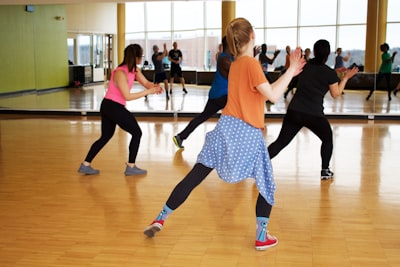
women dancing near mirror

Gentle Exercises for When You're Just Getting Started

Starting a fitness journey can be intimidating, especially if you're new to exercise or have limited mobility. However, there are plenty of gentle exercises that can help you get started and improve your overall well-being. In this article, we will explore the benefits of gentle exercises, such as tai chi and yoga, and provide some beginner-friendly exercises to incorporate into your daily routine. 

Before we dive in, please note that it's important to discuss new exercise regimens with your doctor before beginning. 

What are the benefits of gentle exercises?

Gentle exercises offer numerous benefits for individuals who are just starting their fitness journey. First and foremost, they provide a low-impact way to improve overall fitness and well-being. Engaging in gentle exercises can help improve cardiovascular health, increase flexibility, enhance muscle strength, and boost mood and mental well-being.

For example, taking regular walks can improve cardiovascular health, strengthen leg muscles, and help with weight management. Walking is a low-impact exercise that can be easily incorporated into your daily routine, whether it's a brisk walk in the park or a stroll around your neighborhood. By starting with something as simple as walking, you can gradually increase your stamina and endurance.

In addition to these physical benefits, gentle exercises can also have positive effects on mental health. Exercise releases endorphins, which are natural mood-boosting chemicals in the brain. This can help reduce symptoms of stress, anxiety, and depression, and promote a sense of well-being. By incorporating gentle exercises into your routine, you can experience the holistic benefits of exercise.

How can tai chi benefit beginners in their exercise routine?

Tai chi is a gentle form of exercise that originated in ancient China. It involves slow, flowing movements and deep breathing, making it a perfect choice for beginners. Tai chi offers a range of benefits, including improved balance, increased flexibility, enhanced muscle strength, reduced stress levels, and improved mental clarity. It is also suitable for individuals of all ages and fitness levels, making it a great starting point for those who are new to exercise.

For instance, practicing tai chi can help improve balance and prevent falls, which is especially beneficial for older adults. The slow and controlled movements in tai chi help to strengthen the muscles and improve coordination. Additionally, the deep breathing techniques used in tai chi can help reduce stress and promote relaxation.

One of the unique aspects of tai chi is its focus on mindfulness and the mind-body connection. Unlike other forms of exercise that may solely focus on physical fitness, tai chi incorporates mental and spiritual elements. By practicing tai chi, beginners can cultivate a sense of mindfulness and develop a greater awareness of their bodies and movements. This mind-body connection can have a profound impact on overall well-being.

What are the benefits of practicing yoga for beginners?

Yoga is another excellent option for beginners due to its gentle nature and focus on both physical and mental well-being. Regular practice of yoga can help improve flexibility, build strength, enhance balance, and promote relaxation and stress reduction. Additionally, yoga often incorporates mindfulness and deep breathing techniques, which can have a positive impact on mental health and overall sense of well-being.

For example, practicing yoga poses, such as downward-facing dog and warrior pose, can help improve flexibility and strengthen the muscles. The emphasis on deep breathing and mindfulness during yoga practice can also help reduce stress and promote a sense of calm and relaxation.

In addition to the physical and mental benefits, yoga can also improve posture and body awareness. Many of the poses in yoga require proper alignment and engagement of specific muscles. By practicing yoga, beginners can develop a better understanding of their bodies and learn how to move with intention and proper form. This increased body awareness can translate to improved posture and overall body mechanics.

What are some chair yoga exercises suitable for individuals with limited mobility?

Chair yoga is a modified form of yoga that can be done while sitting on a chair or using the chair for support. It is particularly beneficial for individuals with limited mobility or those who find it challenging to perform exercises on the floor. Some chair yoga exercises include seated twists, shoulder stretches, leg lifts, and seated forward bends. These exercises help improve flexibility, increase circulation, and promote relaxation.

For instance, seated twists can help improve spinal mobility and relieve tension in the back. Shoulder stretches can help alleviate tightness and improve range of motion in the shoulders. Leg lifts can strengthen the leg muscles, and seated forward bends can help stretch the hamstrings and lower back.

Chair yoga is a versatile and inclusive form of exercise that can be adapted to individual needs and abilities. It allows individuals with limited mobility to experience the benefits of yoga without putting strain on joints or requiring excessive flexibility. By practicing chair yoga, beginners with limited mobility can still engage in a fulfilling exercise routine that promotes physical and mental well-being.

Why is it important to consult a doctor before starting any exercise routine?

Before starting any exercise routine, it is crucial to consult with a healthcare professional, such as a doctor or physical therapist. They can assess your overall health and provide guidance on the most appropriate exercises for your specific needs and limitations. This is especially important if you have any pre-existing medical conditions or concerns. Consulting a professional ensures that you embark on an exercise routine that is safe and tailored to your individual circumstances.

For example, if you have a history of heart disease or joint problems, a healthcare professional can provide guidance on exercises that are safe and suitable for your condition. They can also help you determine the appropriate intensity and duration of your workouts to prevent any potential risks or injuries.

In addition to providing individualized recommendations, healthcare professionals can also help monitor your progress and make adjustments as needed. They can track changes in your health, measure improvements in fitness levels, and provide ongoing support and guidance throughout your fitness journey. By working with a healthcare professional, beginners can ensure that they are engaging in exercises that are both safe and effective.

What are some gentle exercises for beginners?

There are several gentle exercises that are perfect for beginners. Walking is a great starting point as it is low-impact and can be easily incorporated into daily life. Swimming and water aerobics are also gentle on the joints and provide an excellent full-body workout. Other options include cycling, yoga, tai chi, and Pilates. These exercises can be modified to suit individual fitness levels and gradually increased as strength and endurance improve.

For instance, cycling can be done on a stationary bike or outdoors, and it allows you to control the intensity of your workout. Yoga and Pilates focus on controlled movements and can help improve flexibility, strength, and balance. By starting with these gentle exercises, you can build a foundation of fitness and gradually progress to more challenging activities.

It's important for beginners to remember that the most effective exercise routine is one that they enjoy and can stick to in the long term. Exploring different activities and finding what brings joy and satisfaction is key to staying motivated and making exercise a sustainable habit. Whether it's dancing, gardening, or playing a sport, the options for gentle exercises are endless. The key is to find activities that are enjoyable and accessible, and that align with your individual preferences and goals.

What are low-impact exercises and how can they help when starting an exercise routine?

Low-impact exercises are activities that minimize stress on the joints and muscles. They are beneficial for beginners as they reduce the risk of injury and provide a gentle introduction to physical activity. Examples of low-impact exercises include walking, swimming, cycling, using an elliptical machine, and practicing yoga or tai chi. These exercises help build strength, improve cardiovascular fitness, and promote overall well-being without placing excessive strain on the body.

For example, swimming is a low-impact exercise that provides a full-body workout while being gentle on the joints. The buoyancy of the water reduces the impact on the body, making it an ideal choice for individuals with joint pain or limited mobility. Elliptical machines provide a low-impact alternative to running or jogging, allowing you to get your heart rate up without putting stress on your joints.

Low-impact exercises are particularly beneficial for beginners who may be starting from a place of lower fitness levels or have specific physical limitations. By engaging in low-impact exercises, beginners can gradually build strength, endurance, and confidence. These exercises provide a foundation upon which individuals can progress and eventually incorporate higher-impact activities if desired.

How can I start an exercise routine if I have never exercised before?

Starting an exercise routine when you have never exercised before can feel overwhelming, but it's important to remember that everyone starts somewhere. Begin by setting realistic goals and start slowly. Gradually increase the duration and intensity of your workouts as your fitness level improves. It may also be helpful to find a workout buddy or join a beginner-friendly exercise class to stay motivated and accountable. Remember to listen to your body, take breaks when needed, and celebrate your progress along the way.

For instance, if you have never exercised before, you can start by incorporating short walks into your daily routine. Aim for 10 to 15 minutes of walking and gradually increase the duration as you feel more comfortable. As you build stamina, you can add other exercises, such as gentle stretching or bodyweight exercises, to your routine. By starting slowly and gradually increasing the intensity, you can avoid burnout and make exercise a sustainable habit.

It's also essential to find activities that you enjoy and that align with your interests and preferences. Trying out different types of exercises and exploring various forms of movement can help you discover what resonates with you. Whether it's dancing, hiking, or practicing martial arts, finding activities that bring you joy will make it easier to stick to your exercise routine and stay motivated.

What are some beginner-friendly exercises for those who are just getting started?

For those who are just getting started, there are several beginner-friendly exercises to consider. Walking, as mentioned earlier, is an excellent choice. It requires no special equipment and can be done at your own pace. Other beginner-friendly options include swimming, cycling, bodyweight exercises (such as squats, lunges, and push-ups), and gentle stretching. These exercises allow you to build a foundation of strength and endurance while minimizing the risk of injury.

For example, bodyweight exercises can be done at home with little to no equipment. Squats help strengthen the leg muscles, lunges target the lower body, and push-ups work the upper body and core. These exercises can be modified to suit your fitness level, and you can gradually increase the number of repetitions or add variations as you progress.

It's important for beginners to focus on proper form and technique when performing exercises. This helps prevent injuries and ensures that you are targeting the intended muscle groups. If you're unsure about how to perform certain exercises, consider working with a personal trainer or joining a beginner-friendly exercise class. These resources can provide guidance and support as you navigate your fitness journey.

How can I incorporate gentle exercises into my daily routine?

Incorporating gentle exercises into your daily routine is easier than you may think. Start by identifying pockets of time throughout the day when you can engage in physical activity. This could include taking short walks during breaks at work, using the stairs instead of the elevator, or doing a quick yoga or stretching routine before bed. Aim for consistency rather than lengthy workouts. By finding opportunities to move more throughout the day, you can gradually build up your fitness level and enjoy the benefits of regular exercise.

For instance, if you have a sedentary job, you can set reminders to take short walks or stretch every hour. You can also choose to walk or bike to work if possible. During your lunch break, you can do a quick yoga routine or take a brisk walk around the office building. By incorporating these small bouts of physical activity into your daily routine, you can accumulate the recommended amount of exercise without it feeling overwhelming.

It's also helpful to create a schedule or plan for your exercise routine. By blocking off specific times in your calendar for physical activity, you are more likely to follow through with your plans. Treat your exercise time as a non-negotiable appointment with yourself and prioritize your well-being. Remember that every little bit counts, and the key is to find ways to move more and sit less throughout the day.

In conclusion, gentle exercises are an excellent starting point for those who are new to fitness or looking for low-impact options. Whether it's through activities like tai chi, yoga, chair exercises, or simply incorporating more movement into daily life, these exercises offer a pathway to improved health and well-being. Remember to consult with a healthcare professional before starting any exercise routine and start slowly, gradually increasing the intensity and duration of your workouts. With consistency and patience, you can reap the rewards of gentle exercises and embark on a lifelong journey of fitness.

Reference:. "Fitness: Tips for staying motivated." Mayo Clinic. [Online]. Available: https://www.mayoclinic.org/healthy-lifestyle/fitness/in-depth/fitness/art-20048269. [Accessed: August 6, 2021].

Powered by AI-RTICLES.