Saturday, October 7, 2023

The Ultimate Guide to Clean Eating: Improve Your Health, Save Money, and Boost Your Brain


The Ultimate Guide to Clean Eating: Improve Your Health, Save Money, and Boost Your Brain


poached egg with vegetables and tomatoes on blue plate

The Benefits of Clean Eating

Introduction

Clean eating is a dietary approach that focuses on consuming foods that are as close to their natural state as possible. By choosing whole, unprocessed foods and avoiding highly processed products with added sugars, chemicals, and preservatives, clean eating aims to nourish the body with essential nutrients for optimal health and well-being. This article will explore the principles of clean eating and highlight its numerous benefits for overall health.

Clean eating is not about following a strict diet or counting calories. It is rather a lifestyle choice that promotes a balanced and wholesome approach to eating. It encourages individuals to be mindful of the foods they consume and to prioritize whole, natural ingredients. By making clean eating a part of your daily routine, you can experience a wide range of benefits that contribute to your overall health and well-being.

Clean eating has gained popularity in recent years due to its focus on nutrient-rich whole foods. The main principle of clean eating is to consume foods that are as close as possible to their natural state. This means choosing fresh fruits and vegetables, lean meats or plant-based proteins, whole grains, nuts and seeds, and unprocessed cooking oils. By avoiding processed and packaged foods that are often loaded with unhealthy additives and preservatives, clean eating aims to provide the body with the nutrients it needs to thrive.

What is clean eating and what are its principles?

Clean eating involves selecting foods that are minimally processed and free from additives, while emphasizing the consumption of whole foods in their purest, most natural forms. This includes fresh fruits and vegetables, lean meats or plant-based proteins, whole grains, nuts and seeds, and unprocessed cooking oils. Clean eating also encourages the consumption of organic and seasonal food choices and emphasizes shorter ingredient lists with limited added sugars.

Clean eating is all about nourishing your body with real, wholesome foods. It means avoiding processed and packaged foods that are often loaded with unhealthy additives and preservatives. Instead, clean eating focuses on foods in their most natural form, as they are packed with essential nutrients that promote good health. By eating clean, you can fuel your body with the nutrients it needs to function at its best.

When you choose clean, whole foods, you're providing your body with the necessary nutrients it needs to thrive. Whole foods are unprocessed and contain all the natural nutrients that your body needs. They are not stripped of their beneficial components like refined foods, making them a healthier choice. Whole foods are also more filling and satisfying, which can help prevent overeating and make it easier to maintain a healthy weight. By incorporating whole foods into your clean eating diet, you can ensure that your body receives the nourishment it needs to function at its best.

What are the benefits of clean eating for overall health?

Clean eating offers a multitude of benefits for overall health and well-being. Firstly, it can contribute to weight loss and weight management by promoting a balanced diet rich in nutrient-dense foods while avoiding sugary snacks and processed foods. Additionally, clean eating can reduce inflammation in the body, which plays a key role in preventing chronic pain and diseases.

When you prioritize clean eating, you are more likely to consume fewer calories and make healthier food choices. This can lead to weight loss or help you maintain a healthy weight. Clean eating also reduces the risk of developing chronic diseases such as heart disease, diabetes, and certain types of cancer. By reducing inflammation in the body, clean eating helps to support overall health and well-being.

Furthermore, adopting a clean eating lifestyle can lead to improved gut health, strengthened immune function, and enhanced disease prevention. Consuming whole foods packed with vitamins, minerals, and antioxidants nourishes the body, supports a healthy immune system, and helps fight against illness and disease. Clean eating also has anti-aging effects and can promote glowing skin and healthier hair.

For example, incorporating clean eating principles into your diet can have a positive impact on your health. By choosing whole foods over processed options, you provide your body with essential nutrients, such as vitamins, minerals, and antioxidants, which are beneficial for overall health. These nutrients support immune function, help fight against illness, promote healthy skin, and contribute to overall well-being.

Why is it important to consume whole foods in a clean eating diet?

Whole foods are the foundation of a clean eating diet because they are rich in essential nutrients and are not processed or altered like many packaged foods. Whole foods provide a wide array of vitamins, minerals, fiber, and antioxidants that are beneficial for overall health. They are also more flavorful and satisfying, which can help prevent overeating and support weight management. By consuming whole foods, individuals can nourish their bodies with the necessary nutrients to thrive and maintain optimal health.

Whole foods are unprocessed and contain all the natural nutrients that your body needs. They are not stripped of their beneficial components like refined foods, making them a healthier choice. Whole foods are also more filling and satisfying, which can help prevent overeating and make it easier to maintain a healthy weight. By incorporating whole foods into your clean eating diet, you can ensure that your body receives the nourishment it needs.

For instance, whole foods like fruits, vegetables, whole grains, and lean proteins are packed with essential nutrients. They provide a wide range of vitamins, minerals, fiber, and antioxidants that are important for maintaining good health. Whole foods are also less processed and retain more of their natural flavors, making them more enjoyable to eat. By consuming whole foods as part of a clean eating diet, you can provide your body with the necessary nutrients to thrive.

Can you provide examples of nutrient-dense foods to include in a clean eating diet?

A clean eating diet includes a variety of nutrient-dense foods that nourish the body. Some examples of nutrient-dense foods to include are fresh fruits and vegetables, such as leafy greens, berries, and cruciferous vegetables. Lean sources of protein, such as chicken, turkey, fish, tofu, and legumes, are also important components of a clean eating diet. Whole grains like quinoa, brown rice, and oats provide fiber and essential nutrients. Additionally, incorporating healthy fats from sources like avocados, nuts, and seeds is beneficial for overall health.

Including a variety of nutrient-dense foods in your clean eating diet is essential for providing your body with the necessary vitamins, minerals, and antioxidants it needs to thrive. Fresh fruits and vegetables are packed with essential nutrients and fiber that support overall health. Lean proteins provide amino acids for muscle repair and growth. Whole grains are a great source of fiber and essential nutrients. Healthy fats are important for brain health and can help reduce the risk of heart disease. By incorporating these nutrient-dense foods into your clean eating diet, you can ensure that your body receives the nourishment it needs.

For example, nutrient-dense foods such as spinach, kale, and broccoli are excellent sources of vitamins and minerals. Lean proteins like chicken, fish, and tofu provide essential amino acids for muscle repair and growth. Whole grains like quinoa and brown rice are high in fiber and provide sustained energy. Healthy fats from avocados, nuts, and seeds are crucial for brain health. By incorporating these nutrient-dense foods into your clean eating diet, you can optimize your health and well-being.

How can I incorporate clean eating into my daily life?

Incorporating clean eating into your daily life can be achieved through simple steps. Start by gradually replacing processed foods with whole, unprocessed alternatives. Focus on cooking meals at home using fresh ingredients and experiment with different flavors and cooking techniques to make clean eating enjoyable. Plan and prepare meals in advance to ensure you have clean options readily available, especially during busy times. Lastly, listen to your body and pay attention to how different foods make you feel, making adjustments accordingly to support your overall health and well-being.

To incorporate clean eating into your daily life, start by making small changes. Gradually replace processed snacks with fresh fruits and vegetables. Cook your own meals using whole, unprocessed ingredients. Experiment with different herbs and spices to add flavor to your dishes. Plan and prepare your meals in advance to avoid relying on unhealthy convenience foods. Listen to your body and pay attention to how different foods make you feel. This will help you make informed choices that support your overall health and well-being.

For instance, you can begin by making a meal plan for the week and preparing your meals in advance. This will ensure that you have healthy options readily available and prevent you from reaching for processed foods when you're hungry or short on time. Experiment with new recipes and flavors to keep your meals interesting and enjoyable. Gradually replace unhealthy snacks with fresh fruits, vegetables, and nuts. By making these small changes, you can easily incorporate clean eating into your daily life.

Does clean eating have any specific guidelines or is it up to individual preference?

Clean eating does not have strict guidelines and is ultimately up to individual preference. While there are general principles to guide clean eating, such as choosing whole foods and avoiding processed products, the specific foods and meal plans can vary based on personal preferences, dietary restrictions, and cultural considerations. It's important to focus on long-term healthy eating and nutrition goals, and to find an approach to clean eating that works best for you.

Clean eating is a flexible approach that can be tailored to individual preferences and goals. The key is to focus on choosing whole, unprocessed foods and avoiding highly processed products. The specific foods and meal plans can vary based on personal preferences, dietary restrictions, and cultural considerations. It's important to find an approach to clean eating that works best for you and supports your long-term healthy eating and nutrition goals.

For example, some individuals may choose to follow a vegetarian or vegan clean eating diet, while others may include lean meats or fish as part of their clean eating plan. Some people may prefer to eat organic foods, while others may focus on consuming local and seasonal produce. The most important thing is to prioritize whole, unprocessed foods and make choices that align with your personal preferences and values.

Are there any resources available for healthy weight management related to clean eating?

Yes, there are resources available for healthy weight management related to clean eating. The Mayo Clinic website offers additional resources on healthy weight management and clean eating. These resources provide guidance on meal planning, portion control, and making nutritious food choices to support weight loss or maintenance goals. Consulting with a registered dietitian or nutritionist can also provide personalized guidance and support for healthy weight management.

If you are interested in healthy weight management related to clean eating, there are resources available to help you. The Mayo Clinic website is a reputable source that provides guidance on meal planning, portion control, and making nutritious food choices. These resources can provide valuable information and support for your weight management goals. Additionally, consulting with a registered dietitian or nutritionist can provide personalized guidance and support tailored to your specific needs and goals.

For instance, the Mayo Clinic website offers tips on how to incorporate clean eating principles into your weight management plan. They provide guidance on portion control, making balanced food choices, and incorporating physical activity into your routine. Additionally, registered dietitians and nutritionists can provide personalized recommendations based on your individual needs and goals.

How can clean eating save money on medical bills and sick days?

Clean eating can contribute to saving money on medical bills and sick days by promoting overall health and well-being. By nourishing the body with nutrient-dense foods, clean eating supports a strong immune system, reducing the risk of illness and the need for medical interventions. Additionally, clean eating can help prevent chronic diseases such as heart disease, diabetes, and certain cancers, which can lead to significant medical expenses and time off work due to illness. By investing in a clean eating lifestyle, individuals can potentially save money on medical bills and enjoy better overall health.

By prioritizing clean eating and nourishing your body with nutrient-dense foods, you can support a strong immune system and reduce the risk of illness. This can help you avoid costly medical bills and minimize the need for medical interventions. Additionally, clean eating can help prevent chronic diseases that often require expensive treatments and can result in significant time off work due to illness. By investing in a clean eating lifestyle, you can potentially save money on medical bills and enjoy better overall health.

For example, by consuming nutrient-rich foods and maintaining a healthy weight through clean eating, you can reduce the risk of developing chronic conditions such as obesity, diabetes, and heart disease. These conditions often require long-term medical management, which can be costly. By practicing clean eating, you can potentially save money on medical bills and avoid the need for expensive treatments.

How does clean eating improve brain function and memory?

Clean eating plays a crucial role in brain function and memory. Consuming a balanced diet rich in whole foods provides essential nutrients that support brain health and cognitive function. Antioxidant-rich foods, such as berries and leafy greens, help reduce inflammation and oxidative stress in the brain, which can enhance memory and cognitive performance. Healthy fats, such as those found in avocados and nuts, provide omega-3 fatty acids that support brain health and improve cognitive function. By nourishing the brain with a clean eating diet, individuals can optimize their brain function and promote better memory.

Clean eating provides the necessary nutrients to support brain health and cognitive function. Antioxidant-rich foods help reduce inflammation and oxidative stress in the brain, which can enhance memory and cognitive performance. Healthy fats, such as omega-3 fatty acids found in foods like avocados and nuts, support brain health and improve cognitive function. By nourishing your brain with a clean eating diet, you can optimize your brain function and promote better memory.

For instance, studies have shown that diets high in antioxidants, such as those found in berries and leafy greens, can help reduce inflammation and oxidative stress in the brain, leading to improved memory and cognitive function. Additionally, omega-3 fatty acids found in foods like avocados and nuts have been associated with better brain health and cognitive performance. By incorporating these foods into your clean eating diet, you can support optimal brain function and promote better memory.

Can clean eating help build lean muscle mass and boost metabolism?

Yes, clean eating can aid in building lean muscle mass and boosting metabolism. A diet rich in lean protein sources, such as chicken, fish, tofu, and legumes, provides the necessary amino acids for muscle repair and growth. Additionally, clean eating emphasizes whole foods that are packed with essential nutrients, which can support optimal metabolism and energy production. By providing the body with the necessary nutrients and promoting a balanced diet, clean eating can enhance muscle development and support a healthy metabolism.

Clean eating provides the necessary nutrients for muscle repair and growth. Lean protein sources, such as chicken, fish, tofu, and legumes, provide the amino acids needed to build and maintain lean muscle mass. Additionally, clean eating emphasizes whole foods that are packed with essential nutrients, which can support optimal metabolism and energy production. By incorporating clean eating into your lifestyle, you can enhance muscle development and support a healthy metabolism.

For example, lean protein sources like chicken and fish provide the necessary amino acids for muscle repair and growth. Legumes and tofu are also excellent sources of plant-based protein. By incorporating these protein-rich foods into your clean eating diet, you can support muscle development and strength. Additionally, clean eating emphasizes whole foods that are high in essential nutrients, such as vitamins and minerals, which are important for supporting a healthy metabolism. By providing your body with the necessary nutrients through clean eating, you can optimize your metabolism and energy production.

In conclusion, clean eating can offer numerous benefits for overall health and well-being. By focusing on whole, unprocessed foods and avoiding highly processed products, individuals can nourish their bodies with essential nutrients, reduce inflammation, support weight management, and enhance cognitive function. Incorporating clean eating into daily life can be achieved through simple steps such as meal planning, cooking at home, and listening to your body's needs. Ultimately, clean eating is a flexible approach to nutrition that can be tailored to individual preferences and goals, making it a sustainable and enjoyable lifestyle choice.

Content courtesy of AI-RTICLES.

Creative Ways to Incorporate Seasonal Ingredients into Dirty Keto Desserts

Creative Ways to Incorporate Seasonal Ingredients into Dirty Keto Desserts


three stainless steel forks near apple

Creative Ways to Incorporate Seasonal Ingredients into Dirty Keto Desserts

What is dirty keto and how does it differ from traditional keto?

Dirty keto is a variation of the traditional ketogenic diet that focuses primarily on macronutrient ratios rather than the quality of food consumed. It prioritizes maintaining low carbohydrate intake while allowing for flexibility in food choices, including processed and low-quality ingredients. In contrast, traditional keto emphasizes consuming whole, nutrient-dense foods to achieve ketosis. While dirty keto may offer short-term weight loss benefits, it may not provide the same long-term health advantages as a clean, whole foods-based ketogenic diet.

It is important to note that while dirty keto can be effective for weight loss, it is still essential to prioritize nutrient-dense foods for overall health and well-being. Dirty keto should be seen as a temporary approach rather than a long-term lifestyle. Incorporating seasonal ingredients into dirty keto desserts can be a way to enhance the nutritional value of these treats and make them more enjoyable.

For example, let's say you want to make a dirty keto dessert using seasonal berries. Instead of using artificial sweeteners or processed ingredients, you can opt for fresh berries, which are packed with antioxidants, vitamins, and minerals. By choosing nutrient-rich ingredients, you can elevate the nutritional profile of your dirty keto desserts while still adhering to the principles of the diet.

Why is it beneficial to use seasonal ingredients in dirty keto desserts?

Using seasonal ingredients in dirty keto desserts offers several benefits. Firstly, seasonal produce tends to be fresher, more flavorful, and more nutritious, enhancing the overall taste and quality of the dessert. When fruits and vegetables are in season, they are harvested at their peak ripeness, resulting in better flavor and texture. Additionally, seasonal ingredients are often more readily available and affordable, making them a cost-effective choice.

Incorporating seasonal produce into your dirty keto desserts also supports local farmers and the environment. By choosing ingredients that are in season, you are supporting local agriculture and reducing the carbon footprint associated with transporting out-of-season ingredients. This can have a positive impact on the local economy and promote sustainable food practices.

For instance, during the autumn season, you can incorporate ingredients such as pumpkin, apples, or cranberries into your dirty keto desserts. These ingredients not only add a unique flavor but also provide additional nutrients like fiber, vitamins, and antioxidants. By utilizing seasonal ingredients, you can create desserts that are both delicious and packed with nutritional benefits.

Can you provide some creative ways to incorporate seasonal ingredients into dirty keto desserts?

Certainly! Here are a few creative ideas for incorporating seasonal ingredients into your dirty keto desserts:

  • Pumpkin Spice Cheesecake: Create a rich and creamy pumpkin spice cheesecake using almond flour or coconut flour for the crust, and a filling made with cream cheese, pumpkin puree, and keto-friendly sweeteners like stevia or erythritol. Top it off with a dollop of whipped cream and a sprinkle of cinnamon for a delicious autumn-inspired treat.
  • Apple Cinnamon Mug Cake: Whip up a quick and easy mug cake using almond flour, diced apples, cinnamon, and a keto-friendly sweetener. Microwave it for a minute or two, and you'll have a warm and comforting dessert that captures the flavors of fall.
  • Berries and Cream Parfait: Layer fresh seasonal berries, such as strawberries, blueberries, or raspberries, with a mixture of whipped cream and keto-friendly sweeteners in a glass or jar. Repeat the layers and top it off with a sprinkle of crushed nuts for added texture. This dessert is not only visually appealing but also packed with antioxidants and healthy fats.

By using seasonal ingredients, you can not only add variety and excitement to your dirty keto desserts but also maximize their nutritional value. Experiment with different flavors and combinations to create unique and delicious treats that align with your dietary goals.

Do you have any examples of autumn-inspired dirty keto dessert recipes?

Certainly! Here's an example of an autumn-inspired dirty keto dessert recipe:

Keto Pumpkin Spice Fat Bombs:

  • Ingredients:
  • 1/2 cup pumpkin puree
  • 1/4 cup coconut oil, melted
  • 2 tablespoons almond butter
  • 2 tablespoons powdered erythritol
  • 1 teaspoon pumpkin pie spice
  • 1/2 teaspoon vanilla extract
  • Pinch of salt
  • Instructions:
  1. In a mixing bowl, combine all the ingredients and mix well until smooth.
  2. Spoon the mixture into silicone molds or an ice cube tray.
  3. Place the molds or tray in the freezer and let it set for at least 2 hours.
  4. Once firm, remove the fat bombs from the molds and store them in an airtight container in the freezer.
  5. Enjoy one or two fat bombs as a delicious and satisfying autumn-inspired treat.

These pumpkin spice fat bombs are not only low in carbs but also rich in flavor. The combination of pumpkin puree, coconut oil, and almond butter creates a creamy and indulgent treat that is perfect for the fall season.

How can I adapt traditional dessert recipes to fit the dirty keto lifestyle?

Adapting traditional dessert recipes to fit the dirty keto lifestyle requires some ingredient substitutions. By making simple swaps, you can transform your favorite desserts into delicious dirty keto treats.

  • Flour substitutions: Replace all-purpose flour with low-carb alternatives such as almond flour or coconut flour. These flours are keto-friendly, gluten-free, and provide a similar texture to traditional flour. Keep in mind that coconut flour absorbs more liquid than almond flour, so you may need to adjust the amount of liquid in the recipe.
  • Sweetener substitutions: Traditional desserts often rely on refined sugar for sweetness. However, there are several keto-friendly sweeteners available that can be used as alternatives. Some popular options include stevia, monk fruit, erythritol, and allulose. These sweeteners provide sweetness without the added carbohydrates found in regular sugar.
  • Fat substitutions: Traditional desserts often contain unhealthy fats such as vegetable oils or margarine. In dirty keto desserts, you can opt for healthier fat sources such as coconut oil, grass-fed butter, or nut butter. These fats not only add richness and flavor but also provide essential nutrients.

By making these simple substitutions, you can enjoy your favorite desserts while staying true to your dirty keto lifestyle. Experiment with different recipes and ingredients to find the perfect balance of taste and nutrition.

Where can I find a recipe for keto chocolate desserts?

If you're looking for keto chocolate dessert recipes, there are many resources available online. One recommended source is the "DIRTY, LAZY, KETO No Time to Cook Cookbook". This cookbook provides a variety of keto-friendly chocolate dessert recipes, including Salty Pecan Bark, which combines the rich flavors of dark chocolate and roasted pecans. The cookbook contains 100 new DLK recipes that can be made in under 30 minutes. It also includes a video and podcast with a live cooking demo of the Salty Pecan Bark recipe. The video can be watched on YouTube, and the audio version of the podcast is available on various platforms.

By exploring cookbooks and online platforms dedicated to keto recipes, you can find a wide range of delicious and creative chocolate desserts that align with your dietary needs.

What are some keto-friendly Halloween treat options?

When it comes to keto-friendly Halloween treats, there are plenty of options to satisfy your sweet tooth without derailing your dirty keto lifestyle. Here are a few ideas:

  • Pumpkin-shaped Fat Bombs: Create pumpkin-shaped fat bombs using a mixture of pumpkin puree, coconut oil, nut butter, and keto-friendly sweeteners. Mold them into pumpkin shapes and refrigerate until firm for a festive treat.
  • Chocolate Spiderweb Cupcakes: Make chocolate cupcakes using almond flour or coconut flour and sweeten them with keto-friendly sweeteners. Decorate the tops with a spiderweb pattern using melted dark chocolate.
  • Mini Cheesecake Ghost Bites: Prepare mini cheesecakes using a keto-friendly crust made with almond flour. Top them with a dollop of whipped cream and use chocolate chips or dark chocolate to create ghost faces.

These keto-friendly Halloween treats allow you to join in on the festive spirit without compromising your dietary goals. Get creative with your decorations and enjoy the holiday while staying in ketosis.

What are the ground rules for enjoying keto desserts?

When enjoying keto desserts, it's important to keep a few ground rules in mind:

  • Portion control: Although keto desserts can fit into a low-carb lifestyle, moderation is key. Be mindful of portion sizes to avoid overindulging in calories and carbohydrates.
  • Learn ingredient substitutions: Familiarize yourself with keto-friendly flour alternatives like almond flour and coconut flour, as well as suitable sweeteners such as stevia, monk fruit, erythritol, or allulose. These substitutions will help you create delicious desserts without the excess carbs.
  • Avoid excessive artificial sweeteners: While keto-friendly sweeteners can be used in moderation, it's best to limit the consumption of artificial sweeteners to maintain a healthy balance in your diet.
  • Homemade is preferable: Whenever possible, make your keto desserts from scratch using wholesome ingredients. This allows you to have full control over the quality and nutritional content of your treats.

By following these ground rules, you can enjoy delicious keto desserts while staying on track with your dietary goals.

Can you suggest some keto-friendly flour and sweetener substitutions for desserts?

Certainly! Here are some keto-friendly flour and sweetener substitutions that you can use in your desserts:

  • Flour substitutions:
  • Almond flour: Made from ground almonds, almond flour is a popular low-carb alternative to all-purpose flour. It provides a moist texture and nutty flavor to baked goods.
  • Coconut flour: Made from dried and ground coconut meat, coconut flour is another low-carb option. It absorbs more liquid than almond flour, so recipes may require additional moisture.
  • Sweetener substitutions:
  • Stevia: A natural, calorie-free sweetener extracted from the Stevia rebaudiana plant. It is highly concentrated, so a little goes a long way.
  • Monk fruit: Derived from the monk fruit plant, monk fruit sweetener is another natural zero-calorie option. It has a similar sweetness profile to sugar without the carbohydrates.
  • Erythritol: A sugar alcohol with zero calories and a minimal impact on blood sugar levels. It provides a taste and texture similar to sugar but with fewer carbs.
  • Allulose: A low-calorie sweetener found naturally in small quantities in fruits like raisins and figs. It has a similar taste and texture to sugar without the carbs.

Experimenting with these flour and sweetener substitutions can help you create delicious keto desserts while keeping your carbohydrate intake in check. Keep in mind that different sweeteners may have varying levels of sweetness, so adjustments may be needed in recipes.

What are some quick and easy dirty keto dessert recipes that I can try?

If you're short on time but still craving a sweet treat, here are a few quick and easy dirty keto dessert recipes to try:

  • Chocolate Avocado Mousse: Blend ripe avocados, unsweetened cocoa powder, coconut milk, and a keto-friendly sweetener until smooth. Chill it in the refrigerator for a few hours or until set, and enjoy a rich and creamy chocolate mousse.
  • Berry Chia Seed Pudding: Mix chia seeds, unsweetened almond milk, a small amount of keto-friendly sweetener, and a handful of fresh berries. Let it sit in the refrigerator overnight and wake up to a refreshing and nutritious pudding.
  • Coconut Fat Bombs: Combine coconut oil, unsweetened shredded coconut, a keto-friendly sweetener, and a dash of vanilla extract. Shape the mixture into small balls and refrigerate until firm. These fat bombs provide a satisfying dose of healthy fats and a tropical flavor.

These quick and easy dirty keto dessert recipes allow you to indulge in a sweet treat without spending hours in the kitchen. They are perfect for those busy days when you need a little something to satisfy your cravings.

Incorporating seasonal ingredients into your dirty keto desserts can elevate the flavors and nutritional value of your treats. Whether it's a pumpkin spice cheesecake or apple cinnamon mug cake, embracing the bounty of each season adds a delightful touch to your keto desserts while keeping you on track with your dietary goals. So, get creative, experiment with flavors, and enjoy the deliciousness of seasonal dirty keto desserts!

Article courtesy of AI-RTICLES.

Friday, October 6, 2023

Dirty Keto: Pros, Cons, and Food Ideas for a Healthier Transition


Dirty Keto: Pros, Cons, and Food Ideas for a Healthier Transition


stack of bread: dirty keto basics

Dirty Keto Basics You Need to Know

What is dirty keto and how does it differ from clean keto?

Dirty keto is a variation of the traditional ketogenic diet that focuses on macronutrient ratios rather than the quality of food consumed. In clean keto, the emphasis is on eating nutrient-dense, whole foods while avoiding processed and packaged options. Dirty keto allows for more flexibility in food choices, including highly processed and convenient foods. The main difference between the two lies in the approach to food quality and the types of foods allowed.

Clean keto is considered a stricter version of the ketogenic diet, as it prioritizes whole, unprocessed foods that are rich in nutrients. This means focusing on quality sources of protein, healthy fats, and low-carbohydrate vegetables. On the other hand, dirty keto allows for a wider variety of food options, including processed and convenience foods that may not be considered healthy or nutrient-dense.

For example, in clean keto, a meal might consist of grilled salmon, avocado, and a side of steamed broccoli. This meal provides a good balance of protein, healthy fats, and fiber-rich vegetables. In contrast, a dirty keto meal might include a fast-food burger without the bun, topped with cheese and bacon. While this meal may fit within the macronutrient ratios of dirty keto, it may lack essential nutrients and may not be as satisfying or nourishing as a clean keto meal.

What are the pros and cons of dirty keto?

One of the advantages of dirty keto is its convenience and flexibility. It can be easier to follow for individuals with busy lifestyles who may not have the time or resources to prepare clean, whole food meals. Dirty keto allows for more food options, including processed and artificially sweetened foods, which can help satisfy cravings for sweet or indulgent foods.

However, it's important to consider the drawbacks of dirty keto as well. These foods are often high in sodium and lack essential micronutrients. While dirty keto may meet the macronutrient requirements for ketosis, it may not provide the same level of overall nutrition as clean keto. This can increase the risk of nutrient deficiencies and potentially have negative effects on long-term health.

For instance, a dirty keto meal may consist of fast food options such as a cheeseburger without the bun, accompanied by diet soda. While this meal may fit within the macronutrient ratios of dirty keto, it may lack essential nutrients such as fiber, vitamins, and minerals. On the other hand, a clean keto meal might include grilled chicken breast, sautéed spinach in olive oil, and a side of cauliflower rice. This meal offers a wider range of nutrients and provides a more well-rounded approach to nutrition.

What are some dirty keto food ideas and examples?

Dirty keto food choices can include fast food options, sugar-free gelatin, packaged keto snacks with sugar, store-bought keto bread with wheat, diet sodas, and more [5]. These foods may not necessarily provide the same health benefits as clean keto options, but they can fit within the macronutrient ratios of dirty keto. It's important to note that while these foods can be enjoyed occasionally, they should not form the basis of a long-term diet.

For example, a dirty keto breakfast could consist of scrambled eggs cooked in butter, topped with shredded cheese and served with a side of bacon. This meal is low in carbohydrates and high in fat, which aligns with the macronutrient ratios of dirty keto. However, it may lack essential nutrients found in a clean keto breakfast that includes a variety of vegetables, healthy fats, and lean proteins.

Can you provide a dirty keto shopping list?

While there is no specific dirty keto shopping list, the focus is on selecting foods that are low in carbohydrates and fit within the macronutrient ratios of the diet. Some examples of dirty keto-friendly foods include processed meats like bacon and sausages, full-fat dairy products, packaged snacks with artificial ingredients, and sugar-free beverages. It's important to remember that these foods should be consumed in moderation and as part of a varied and balanced diet.

When creating a dirty keto shopping list, it's important to prioritize foods that are low in carbohydrates and high in healthy fats. This can include items such as avocados, coconut oil, nuts and seeds, full-fat dairy products, and fatty cuts of meat. However, it's important to remember that while these foods may fit within the macronutrient ratios of dirty keto, they may not provide the same level of overall nutrition as clean, whole food options. Therefore, it's important to include a variety of nutrient-dense foods in your diet to ensure you are meeting your nutritional needs.

When shopping for dirty keto, it's important to keep in mind that not all processed foods are created equal. Some processed foods may contain additives and artificial ingredients that may not align with a healthy eating plan. Reading labels and choosing options that are as minimally processed as possible can help you make better choices within the realm of dirty keto. Additionally, it's important to focus on whole food sources of fats and proteins, rather than relying solely on processed options.

How does dirty keto compare to clean keto in terms of nutrient density?

Dirty keto meals are often high in sodium and lack essential micronutrients. In contrast, clean keto emphasizes nutrient-dense, whole foods that provide a wide range of essential vitamins and minerals. While dirty keto may meet the macronutrient requirements for ketosis, it may not provide the same level of overall nutrition as clean keto. Therefore, clean keto is generally considered to be a better choice for long-term health.

For example, a dirty keto meal may consist of a fast-food burger without the bun, topped with cheese and bacon. While this meal may fit within the macronutrient ratios of dirty keto, it may lack essential nutrients that are found in a clean keto meal that includes a variety of vegetables, healthy fats, and lean proteins. By focusing on nutrient-dense, whole foods, clean keto ensures that you are getting a wide range of essential vitamins and minerals to support overall health and well-being.

Dirty keto meals that rely heavily on processed meats, packaged snacks, and artificially sweetened foods can lead to potential nutrient deficiencies. These foods are often lacking in essential micronutrients such as vitamins, minerals, and fiber, which are crucial for overall health and wellbeing. On the other hand, clean keto promotes the consumption of whole, nutrient-dense foods that provide a wide range of essential nutrients. By incorporating plenty of low-carbohydrate vegetables, lean proteins, and healthy fats, clean keto ensures that you are nourishing your body with the necessary vitamins and minerals it needs to thrive.

Is dirty keto recommended for long-term health?

Most experts do not recommend dirty keto as a long-term solution for maintaining overall health. While it may be a convenient option in the short term, the potential risks and drawbacks, such as nutrient deficiencies and increased risk of disease, make clean keto a more preferable choice for long-term well-being. It is always advisable to work with a registered dietitian or nutritionist to ensure that you are meeting your nutritional requirements while following any diet plan.

Dirty keto may provide short-term weight loss and the convenience of flexible food choices, but it may not be sustainable or provide the same level of overall nutrition as clean keto. It's important to prioritize nutrient-dense, whole foods to support long-term health and well-being. While dirty keto may be a starting point for some individuals, transitioning to a clean keto or a more balanced and nutrient-dense diet that includes a variety of whole foods is generally recommended for long-term success.

It's worth noting that the long-term effects of dirty keto are not well understood. While it may provide short-term weight loss and convenience, the potential risks associated with a diet lacking in nutrient-dense foods make clean keto a more recommended option for long-term health. Clean keto focuses on quality sources of protein, healthy fats, and low-carbohydrate vegetables, which provide essential nutrients and support overall well-being. When it comes to long-term health, it's important to prioritize a balanced diet that includes a variety of whole foods.

Is dirty keto easier to follow than clean keto?

Dirty keto can be seen as easier to follow for some individuals due to its flexibility in food choices. It allows for a wider variety of options, including processed and convenient foods, which can be more readily available and accessible for those with busy lifestyles. However, it's important to note that while dirty keto may be easier to adhere to in the short term, the potential health risks associated with a diet lacking in nutrient-dense foods make clean keto the more recommended option for long-term success.

While dirty keto may offer convenience and flexibility, it's important to consider the overall nutritional quality of the diet. Clean keto places a greater emphasis on nutrient-dense, whole foods, which provide a wide range of essential vitamins and minerals. These foods not only support overall health but also help to keep you feeling satisfied and nourished. While dirty keto may be easier to follow in the short term, the potential risks and drawbacks make clean keto a more preferable option for long-term success.

It's worth noting that the ease of following dirty keto may vary from person to person. Some individuals may find it easier to adhere to dirty keto due to the wider variety of food choices, while others may find clean keto more manageable because of the focus on whole, unprocessed foods. The key is to find an approach that works best for you and aligns with your long-term health goals.

Can dirty keto help with weight loss?

Dirty keto can potentially lead to initial weight loss, as it focuses on the macronutrient ratios necessary for achieving ketosis. By restricting carbohydrates and increasing fat intake, dirty keto can help control appetite and promote fat burning. However, it's important to consider the overall nutritional quality of the diet. Clean keto, which prioritizes nutrient-dense, whole foods, is generally recommended for sustainable weight loss and long-term health benefits.

For example, a dirty keto diet may include foods such as fast food burgers without the bun, packaged keto snacks with sugar, and diet sodas. While these foods may help promote initial weight loss by reducing carbohydrate intake and increasing fat intake, they may lack essential nutrients and may not provide the same level of overall nutrition as a clean keto diet that includes a variety of nutrient-dense foods. When it comes to weight loss, it's important to prioritize a balanced diet that includes a variety of foods to ensure you are meeting your nutritional needs.

Clean keto, on the other hand, focuses on nutrient-dense, whole foods that provide essential vitamins, minerals, and antioxidants. By including a variety of low-carbohydrate vegetables, lean proteins, and healthy fats, clean keto offers a more well-rounded approach to weight loss. These nutrient-dense foods not only support overall health but also help to keep you feeling satisfied and nourished, making it easier to stick to a sustainable eating plan.

What are the potential risks and drawbacks of dirty keto?

One of the main risks of dirty keto is the potential for nutrient deficiencies. Since the focus is primarily on macronutrient ratios rather than food quality, important micronutrients may be lacking in the diet. Additionally, dirty keto often includes processed and artificially sweetened foods, which may have negative effects on overall health. It's also worth noting that the long-term effects of dirty keto are not well understood, and it may increase the risk of certain diseases. Therefore, it's important to approach dirty keto with caution and consider the potential risks before adopting it as a long-term dietary approach.

For example, a dirty keto diet that consists primarily of processed meats, packaged snacks, and sugar-free beverages may lack essential nutrients such as fiber, vitamins, and minerals. These nutrients are important for overall health and may be lacking in a diet that focuses solely on macronutrient ratios. Additionally, the inclusion of processed and artificially sweetened foods may have negative effects on gut health and overall well-being.

It's important to recognize that dirty keto may not provide the same level of overall nutrition as clean keto. While it may offer convenience and flexibility, it's crucial to consider the potential risks and drawbacks. Dirty keto meals that rely heavily on processed and artificially sweetened foods can lead to nutrient deficiencies and may increase the risk of certain health problems. Clean keto, with its focus on nutrient-dense, whole foods, offers a more well-rounded approach to nutrition and is generally considered a healthier option in the long run.

Can dirty keto be a stepping stone to transitioning to a healthier diet in the long run?

Dirty keto can serve as a stepping stone for individuals looking to transition to a healthier diet in the long run. It can help individuals become familiar with tracking macronutrient ratios and making conscious food choices. However, it's important to recognize that dirty keto should not be the end goal. Instead, it can be seen as a starting point to gradually shift towards a clean keto or a more balanced and nutrient-dense diet that includes a variety of whole foods. Working with a registered dietitian or nutritionist can provide guidance and support during this transition.

Dirty keto can provide individuals with a starting point for understanding macronutrient ratios and making conscious food choices. By tracking macronutrients and focusing on low-carbohydrate options, individuals can begin to shift their dietary habits towards healthier options. However, it's important to recognize that dirty keto should not be the end goal. Instead, it can be used as a stepping stone to transition towards a clean keto or a more balanced and nutrient-dense diet that includes a variety of whole foods. Working with a healthcare professional can provide the necessary guidance and support to ensure a successful transition to a healthier diet in the long run.

While dirty keto may be a starting point for some individuals, it's important to keep in mind that long-term health and well-being are best achieved through a balanced and nutrient-dense diet. Transitioning from dirty keto to clean keto or a more balanced eating plan that includes a variety of whole foods can provide numerous health benefits. By working with a healthcare professional and gradually making changes to your diet, you can ensure a successful transition to a healthier lifestyle.

In conclusion, dirty keto offers convenience and flexibility in food choices but may lack essential nutrients and potentially increase the risk of certain diseases. While it can be a short-term approach for weight loss, clean keto is generally recommended for long-term health benefits. It's important to prioritize nutrient-dense, whole foods and work with a healthcare professional to ensure that you meet your nutritional requirements while following any diet plan. Transitioning from dirty keto to clean keto or a more balanced eating plan can provide greater long-term health benefits and support overall well-being.

Thursday, October 5, 2023

How Positivity Can Help With Weight Loss

 How Positivity Can Help With Weight Loss


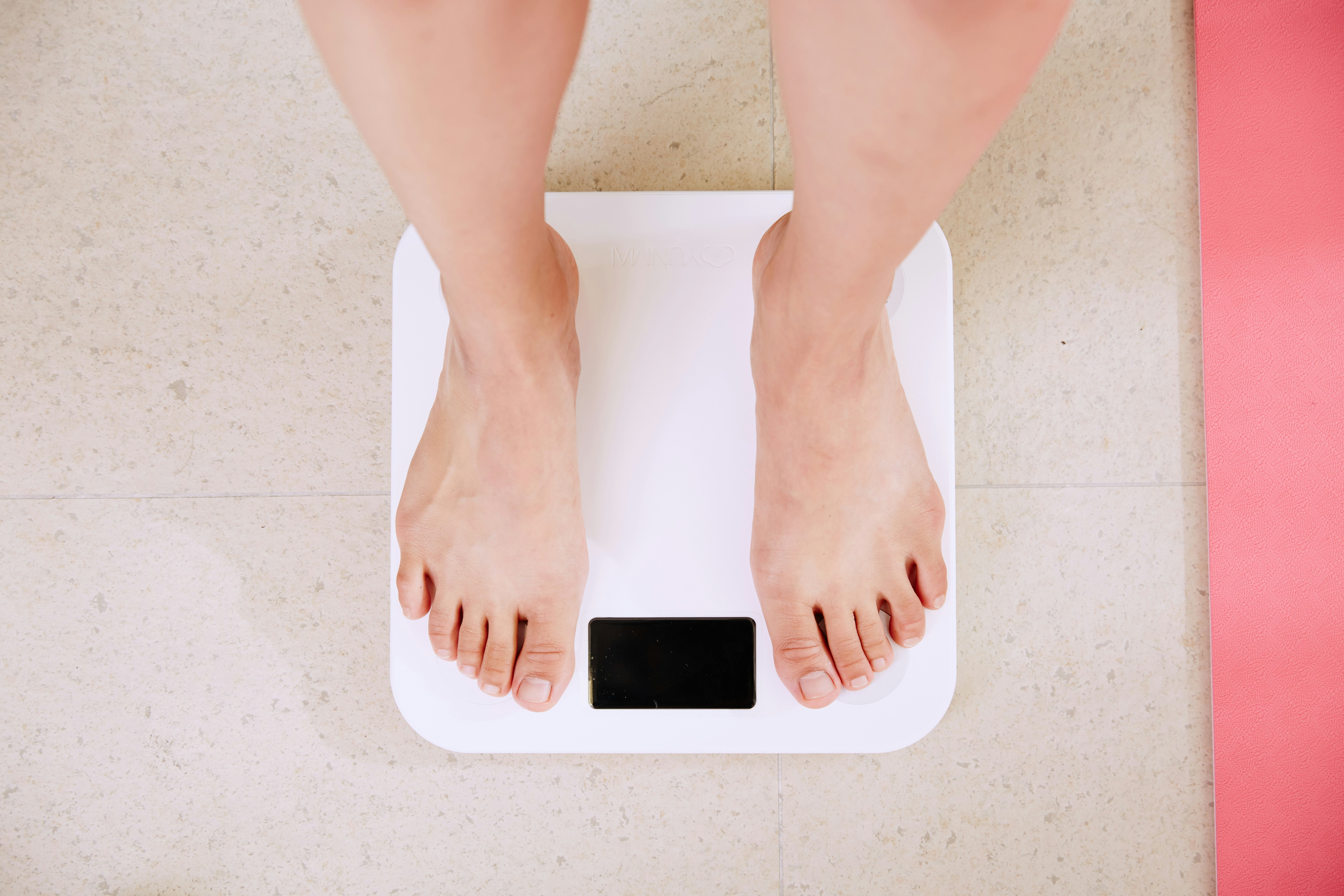
person standing on white digital bathroom scale

Introduction

  • Exploring the Role of Positivity in Weight Loss
  • Defining the Power of a Positive Mindset

Maintaining a positive mindset is crucial when it comes to achieving weight loss goals.

Positivity not only enhances our mental well-being but also influences our behaviors, habits, and choices. Strategies for cultivating positive thinking include truly believing in achieving goals, envisioning the desired outcome, visualizing overcoming obstacles, and focusing on small steps rather than immediate results. By embracing positivity, individuals can overcome doubts, stay committed to their weight loss goals, and cultivate a healthier relationship with food and exercise.

For example, let's consider Sarah, who has been struggling with her weight for years. She always approached weight loss with a negative mindset, doubting her ability to succeed. However, when Sarah started incorporating positivity into her journey, she noticed a significant difference. She believed in herself, stayed motivated, and made choices that aligned with her weight loss goals.

The Power of Positivity in Achieving Weight Loss Goals

  • Positivity as a motivating factor for weight loss [1]
  • How positive thinking helps overcome doubts and stay committed to goals [1]
  • Anticipating and attracting success through positive thinking [1]
  • The impact of negative thinking on the body's preservation of body fat [1]

Positivity serves as a powerful motivating factor in weight loss journeys. When individuals think positively and believe in their ability to achieve their goals, they are more likely to take consistent action towards weight loss success. Positive thinking helps individuals overcome doubts and stay committed to their goals, even when faced with challenges or setbacks.

For instance, let's consider John, who has set a goal to lose 50 pounds. Throughout his journey, he encounters moments of doubt and frustration. However, by maintaining a positive mindset and reminding himself of his capabilities, he is able to push through these challenging times and stay focused on his weight loss goals.

Moreover, positive thinking has the incredible power of attracting success. When individuals anticipate success through positive thinking, they create a mental environment that aligns their thoughts, beliefs, and actions with their desired outcomes. This alignment increases their chances of achieving their weight loss goals.

On the other hand, negative thinking triggers the body's desire to preserve and increase body fat. When individuals think negatively and doubt their capabilities, their body responds by holding onto fat as a protective mechanism. By acknowledging these negative thoughts and actively replacing them with positive affirmations and empowering beliefs, individuals can shift their mindset towards a more positive and conducive state for weight loss.

The Impact of a Positive Mindset on Weight Loss

  • Mindset and its influence on behavior change [1]
  • Positive thinking as a driver for healthy habits and choices [4]
  • The connection between a positive attitude and increased self-efficacy [4]
  • Overcoming obstacles and setbacks with a positive mindset [4]

Our mindset plays a significant role in behavior change. A positive mindset can serve as a driver for adopting healthy habits and making better choices. When individuals have a positive attitude towards their weight loss journey, they are more likely to engage in behaviors that support their goals, such as regular exercise, mindful eating, and self-care.

For example, let's consider Lisa, who used to have a negative mindset towards exercise. She saw it as a chore and lacked motivation to stay consistent. However, once Lisa shifted her mindset to a positive one, she started viewing exercise as an opportunity to improve her health, boost her energy, and uplift her mood. This positive attitude towards exercise led to her developing a regular exercise routine, contributing to her weight loss success.

A positive attitude also increases self-efficacy, which is the belief in one's ability to succeed. When individuals believe in themselves and their capacity to make positive changes, they are more likely to persevere and overcome obstacles. By reframing setbacks as opportunities for growth and learning, individuals can maintain a positive mindset and continue progressing towards their weight loss goals.

For instance, let's consider Mike, who experiences a setback in his weight loss journey by indulging in unhealthy food choices during a social gathering. Instead of allowing this setback to demotivate him, Mike approaches it with a positive mindset. He acknowledges that setbacks are part of the journey, learns from the experience, and uses it as an opportunity to refine his strategies for future situations. This positive mindset helps him bounce back and stay committed to his weight loss goals.

Using Positive Affirmations for Weight Loss

  • Benefits of positive affirmations in weight loss journey [1]
  • Creating personalized positive affirmations for motivation and success [4]
  • Reinforcing affirmations through visualization techniques [4]

Positive affirmations can be a valuable tool in a weight loss journey. By incorporating positive statements and mantras into daily life, individuals can reinforce their motivation, boost self-confidence, and maintain a positive mindset. Personalized positive affirmations, tailored to individual goals and aspirations, can be particularly effective in providing a sense of direction and purpose.

For example, let's consider Emma, who struggles with body image issues and low self-esteem. She creates positive affirmations such as "I am strong and capable," "I am worthy of love and respect," and "I am becoming healthier and happier every day." By consistently repeating these affirmations, Emma starts to shift her internal dialogue, building a more positive self-perception and mindset that supports her weight loss journey.

Moreover, visualization techniques can enhance the power of positive affirmations. By vividly imagining oneself achieving weight loss goals, individuals can strengthen their belief in their ability to reach those goals and stay motivated throughout the journey. Visualizing success creates a mental image of the desired outcome, making it feel more attainable and real.

For instance, let's imagine Mark, who envisions himself fitting into a pair of jeans he hasn't worn in years. He visualizes the feeling of confidence and happiness he will experience when he achieves his weight loss goal. This visualization strengthens his motivation and helps him stay focused on making choices that align with his vision.

Cultivating a Positive Attitude Towards Food and Exercise

  • Developing a positive relationship with food and exercise [1]
  • Strategies to overcome negative associations with food and exercise [1]
  • Finding joy and satisfaction in healthy eating and physical activity [2]

Developing a positive relationship with food and exercise is essential for sustainable weight loss. Instead of viewing them as restrictive or punishing, individuals can cultivate a positive attitude towards these aspects of their lives. By focusing on the nourishing and energizing qualities of food and the joy and satisfaction that physical activity brings, individuals can create a positive association with healthy behaviors.

For example, let's consider Sarah again, who previously had a negative attitude towards exercise. She decided to shift her perspective and approach exercise as a way to celebrate what her body can do. Sarah started exploring various forms of physical activity, such as dancing and hiking, which brought her joy and a sense of accomplishment. This positive attitude towards exercise made it easier for Sarah to incorporate it into her daily routine.

To overcome negative associations with food and exercise, individuals can implement strategies such as reframing negative thoughts, practicing gratitude for the body's capabilities, and finding activities that bring joy and pleasure. By shifting the focus towards positive aspects, individuals can build a sustainable and enjoyable relationship with food and exercise.

Positive Psychology Techniques for Weight Loss

  • Applying positive psychology principles to weight loss [5]
  • Setting achievable goals and celebrating victories [2]
  • Building resilience through positive thinking during challenging times [2]

Positive psychology principles can be applied to weight loss journeys to enhance motivation, resilience, and overall well-being. Setting achievable goals and celebrating victories, no matter how small, can provide a sense of accomplishment and reinforce positive thinking. By acknowledging progress and celebrating milestones, individuals can stay motivated and maintain a positive mindset.

For instance, let's consider Alex, who sets small, achievable goals for himself such as incorporating more vegetables into his meals or going for a walk three times a week. Each time Alex achieves one of his goals, he takes a moment to celebrate by treating himself to something he enjoys, like watching his favorite movie or spending quality time with loved ones. This celebration reinforces his positive mindset and encourages him to continue making progress.

Building resilience through positive thinking during challenging times is another valuable technique. When faced with setbacks or obstacles, individuals can focus on maintaining a positive mindset, reframing negative thoughts, and seeking solutions rather than dwelling on the problem. By adopting an optimistic perspective and believing in their ability to overcome challenges, individuals can navigate through difficult moments with a renewed sense of determination.

Overcoming Negative Thoughts and Surrounding Yourself with Positivity

  • Acknowledging and reframing negative thoughts related to weight loss [1]
  • Strategies for avoiding negative influences and cultivating a positive support system [2]

Acknowledging and reframing negative thoughts related to weight loss is crucial for maintaining a positive mindset. When negative thoughts arise, it is important to challenge them, replace them with positive affirmations or empowering beliefs, and focus on the progress made so far. By consciously directing their thoughts towards positivity, individuals can shift their mindset and approach their weight loss journey with confidence.

For example, let's consider Mia, who often finds herself thinking negatively about her progress and comparing herself to others. When Mia catches herself in these negative thought patterns, she takes a moment to acknowledge her progress, remind herself of her unique journey, and replace the negative thoughts with positive affirmations. This practice helps Mia maintain a positive mindset and stay motivated.

Surrounding oneself with positive influences is equally important. By choosing to spend time with supportive and positive individuals who uplift and encourage, individuals can create an environment that supports their weight loss journey. Supportive friends, family members, or joining online communities can provide the understanding and motivation needed during challenging times.

For instance, let's imagine David, who joins an online weight loss community where individuals share their experiences, challenges, and successes. David finds support, encouragement, and valuable advice from like-minded people who understand his journey. This positive support system helps him stay motivated, accountable, and maintains a positive mindset throughout his weight loss journey.

Sustaining Weight Loss with a Positive Mindset

  • The importance of sustainable weight loss and maintaining a positive mindset [3]
  • Strategies for long-term weight management through positive thinking [3]
  • Focusing on progress and accomplishments rather than perfectionism [3]

Sustainable weight loss goes hand in hand with maintaining a positive mindset. It is important to shift the focus from perfectionism to progress and celebrate accomplishments along the way. By acknowledging the efforts made and the positive changes experienced, individuals can stay motivated and committed to their long-term goals.

For example, let's consider Emily, who reached her weight loss goal after months of hard work and dedication. Instead of fixating on reaching a specific number on the scale, Emily celebrates the progress she has made. She reflects on the healthier habits she has developed, the increased energy she now has, and the improved confidence she feels. This focus on progress rather than perfectionism helps Emily maintain a positive mindset and continue her healthy lifestyle.

Strategies for maintaining a positive attitude during a weight loss journey include incorporating positive thinking into daily routines and habits, using motivational quotes and visual cues as reminders, and boosting confidence and self-esteem through clothing choices. These techniques can reinforce positive thinking, enhance self-belief, and support ongoing weight management efforts.

For instance, let's consider Lily, who starts her mornings by repeating positive affirmations while getting ready for the day. She surrounds herself with motivational quotes on her mirror and sets reminders on her phone to stay focused and positive. Lily also chooses clothing that makes her feel confident and comfortable, which further boosts her self-esteem and maintains her positive mindset throughout the day.

Strategies for Implementing Positive Thinking

  • Incorporating positive thinking into daily routines and habits [3]
  • Using motivational quotes and visual cues as reminders [3]
  • Boosting confidence and self-esteem through clothing choices [3]

Implementing positive thinking is essential for harnessing its power in a weight loss journey. Here are some strategies to incorporate positive thinking into daily life:

  1. Practice Gratitude: Start each day by expressing gratitude for the opportunities and abilities that support your weight loss journey. By focusing on the positive aspects of your life, you can cultivate a positive mindset.
  2. Positive Self-Talk: Replace negative self-talk with positive affirmations and empowering statements. Encourage yourself and believe in your ability to achieve your weight loss goals.
  3. Visualization: Visualize yourself successfully reaching your weight loss goals. Imagine how you will look, feel, and the positive impact it will have on your life. Visualization can enhance motivation and reinforce positive thinking.
  4. Surround Yourself with Positivity: Choose to spend time with supportive and positive individuals who uplift and encourage you. Avoid negative influences that may undermine your progress and mindset.
  5. Celebrate Small Wins: Acknowledge and celebrate every milestone, no matter how small. Recognize your achievements and progress along the way. Celebrating victories boosts motivation and reinforces a positive mindset.
  6. Practice Mindfulness: Incorporate mindfulness techniques into your weight loss journey. Pay attention to your thoughts, feelings, and physical sensations without judgment. Mindfulness can help you stay present, make conscious choices, and prevent emotional eating.

By implementing these strategies consistently, individuals can enhance their positive thinking and maintain a mindset that supports their weight loss goals.

The Role of Social Support in Weight Loss Success

  • The impact of social support on motivation and adherence to weight loss goals [2]
  • Building a supportive network of friends, family, or online communities [2]
  • The importance of accountability and encouragement in maintaining a positive mindset [2]

Social support plays a significant role in weight loss success. Building a supportive network of friends, family, or joining online communities can provide the encouragement and understanding needed to maintain a positive mindset. Sharing successes, challenges, and progress with others who share similar goals can boost motivation and foster a sense of community.

For example, let's consider Michelle, who joins a weight loss group with her close friends. They regularly meet to discuss their progress, share healthy recipes, and provide emotional support. Michelle finds that being part of this supportive network keeps her motivated, accountable, and helps her maintain a positive mindset throughout her weight loss journey.

Furthermore, accountability partners or groups can help individuals stay on track and provide support during challenging times. By surrounding themselves with positive influences, individuals are more likely to maintain a positive mindset and continue making progress towards their weight loss goals.

The Mind-Body Connection in Weight Loss

  • Exploring the connection between mental well-being and physical health in weight loss [4]
  • Managing stress and incorporating relaxation techniques for weight loss support [4]
  • Incorporating mindfulness practices into a weight loss journey [4]

The mind-body connection plays a significant role in weight loss journeys. Managing stress levels and incorporating relaxation techniques can support weight loss efforts by reducing emotional eating and promoting overall well-being. Practicing mindfulness can also help individuals develop a healthier relationship with food, enhance self-awareness, and make conscious choices that align with their weight loss goals.

For example, let's imagine Robert, who practices mindfulness meditation as part of his weight loss journey. By practicing mindfulness, Robert becomes more aware of his eating habits, the sensations of hunger and fullness, and the emotional triggers that may lead to overeating. This increased self-awareness allows Robert to make more conscious choices, listen to his body's needs, and maintain a positive mindset throughout his weight loss journey.

By prioritizing mental well-being and incorporating mind-body practices, individuals can create a harmonious and supportive environment for achieving their desired weight loss outcomes.

Conclusion

Embracing positivity and cultivating a positive mindset are essential components of successful weight loss journeys. A positive attitude contributes to motivation, self-belief, and healthy habits, ultimately leading to lasting results. By utilizing positive affirmations, reframing negative thoughts, surrounding oneself with support and positivity, and implementing strategies for positive thinking, individuals can overcome obstacles, stay committed to their goals, and maintain a positive mindset throughout their weight loss journey. 

The power of positivity is transformative and can truly make a difference in achieving weight loss success. So, embrace positivity, believe in yourself, and embark on your weight loss journey with confidence. You have the power to achieve your goals and create a healthier, happier version of yourself. Stay positive and keep moving forward!

Content courtesy of AI-RTICLES.